



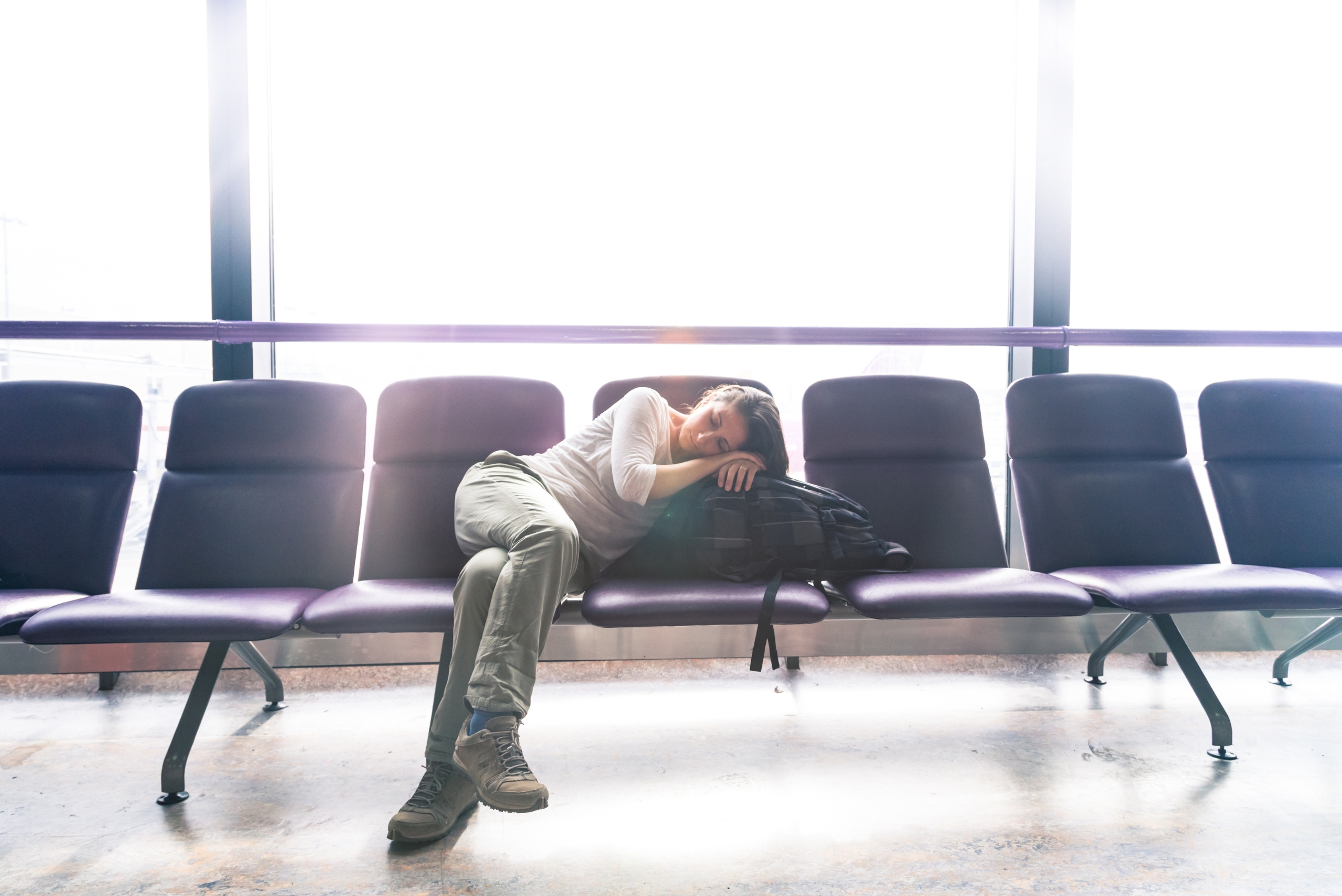
After a long flight, you may arrive at your destination feeling exhausted during the day but wide awake at night. That disconnect is often jet lag: a temporary disruption of your body’s internal clock after crossing time zones, affecting sleep, energy, digestion, and focus. Recovery is not about forcing your body to adjust instantly, but gently helping it find the local rhythm again.
Explore this article to understand what causes jet lag, how long it usually lasts, and the most effective ways to reset your body clock after a long flight.
What is Jet Lag and Why Does It Happen After Long Flights?
Jet lag occurs when your body’s internal clock is still aligned with one time zone while your destination operates in another. This internal clock, known as your circadian rhythm, controls when you feel sleepy, hungry, alert, or low in energy. When you travel across multiple time zones quickly, your body cannot adjust instantly, leading to what is known as circadian rhythm disruptions.
For travellers arriving in Vietnam, jet lag is especially common if you are coming from distant regions such as the UK, Europe, the United States, Canada, or parts of South America. The greater the time difference, the more intense the symptoms tend to be. As a result, you may feel sleepy during the day, wide awake late at night, or hungry at times that do not match the local routine.
Several factors can make jet lag feel even worse after long flights:
- Cabin air is very dry, which can lead to dehydration and fatigue
- Sleep on planes is often light and frequently interrupted
- Meals are served at unusual times, confusing your body’s rhythm
- Sitting for long hours can leave your body feeling stiff, heavy, and sluggish
- Exposure to light at the wrong time after arrival can delay your adjustment to the new time zone
The key point is that jet lag is not only about how long your flight is. It is mainly about how many time zones you cross. This is why travellers flying to Vietnam from cities like London, Paris, New York, or Toronto often feel more affected than those arriving from nearby destinations such as Bangkok, Singapore, or Seoul.
Common Jet Lag Symptoms
The symptoms are usually temporary, but they can be frustrating when you need to work, explore, or simply settle into a new routine. Common jet lag symptoms include:
- Sleep disturbances that make it difficult to fall asleep at the local bedtime, cause you to wake too early, or leave you waking repeatedly through the night
- Brain fog, slower thinking, poor concentration, or reduced alertness during meetings, travel plans, or daily tasks
- Headaches, low energy, digestive discomfort, or a general feeling that your body is not quite right
- Mood changes such as irritability, restlessness, impatience, or feeling unusually flat or unsettled.
Jet lag symptoms usually start within 1–2 days after crossing at least two time zones, and they tend to be worse the more time zones you cross, especially when flying east. Get medical advice if symptoms last more than a week, keep getting worse, or come with symptoms that do not fit typical jet lag, such as fever, persistent vomiting, cough/sore throat, chest pain, fainting, confusion, or one-sided leg swelling.
How Long Does Jet Lag Last?
Jet lag usually lasts a few days, though recovery is different for every traveler. The more time zones you cross, the longer your body may need to realign its sleep-wake rhythm with the local day. Direction matters too, with eastward travel often feeling harder because bedtime comes earlier. Sleep quality during the flight, age, overall health, hydration, and how quickly you follow local mealtimes and daylight exposure after arrival can all influence how soon you feel like yourself again in the new time zone.

How Flight Direction Impacts Your Jet Lag Recovery
If you are wondering which direction is better for jet lag recovery, the answer is usually flying west. Most people find westward travel easier because the body tends to adjust better to delaying sleep than advancing sleep.
| Features | Flying East | Flying West |
| What happens | Your body clock needs to move earlier, so you have to sleep and wake earlier than usual. | Your body clock needs to move later, so you have to stay awake longer and sleep later than usual. |
| How it may feel | You may feel wide awake at night, struggle to fall asleep, and feel tired in the morning. | You may feel sleepy earlier in the evening but find it easier to stay awake and adjust gradually. |
| Recovery tips | Get morning light, avoid bright light late at night, keep naps short, and avoid caffeine in the afternoon or evening. | Get afternoon or early evening light, stay awake until local bedtime, avoid sleeping too early, and use short naps only when needed. |
How to Recover From Jet Lag: A 24–72 Hour Reset Plan
Step 1: Get Light Exposure at the Right Time
Light exposure is one of the most important ways to reset your body clock after a long flight. Natural daylight helps signal to your brain when it is time to be awake and when it is time to prepare for sleep. After arrival, try to spend time outside during the local daytime, especially in the morning or early afternoon. At night, reduce bright screens and strong indoor lighting so your body can begin to recognise the new sleep schedule.
Step 2: Sleep Strategically, Don’t Oversleep
The goal after arrival is not simply to sleep more, but to sleep at the right time. Try to stay awake during the local day and go to bed close to the local bedtime, even if you feel tired earlier. A short nap may help if you are struggling, but keep it brief and avoid sleeping for several hours in the afternoon. Oversleeping at the wrong time can make it harder for your body to adjust to the new time zone.
Step 3: Hydrate and Rebuild Your Energy
While dehydration does not directly cause jet lag, it can make symptoms such as fatigue, headache, poor concentration, and general discomfort feel worse. Drink water before, during, and after your flight, and avoid relying too heavily on alcohol or too much caffeine to manage your energy. Gentle, steady hydration supports your body as it recovers from the dryness of cabin air, disrupted sleep, and the demands of long-haul travel.
Step 4: Move Your Body, But Don’t Overtrain
Gentle movement can help you feel more alert, improve circulation, and reduce the stiffness that often follows a long-haul flight. A walk outside is especially useful because it combines natural light exposure with low-intensity movement, giving your body two clear signals that it is daytime. However, avoid jumping straight into intense workouts on the first day. Your body is already adapting, and overtraining too soon may leave you feeling more depleted rather than refreshed.
Recover Quickly After Your Flight with Jet Lag Therapy at Verita Health Hoi An
For travellers arriving in Da Nang, Vietnam after a long flight, Jet Lag Relief Therapy at Verita Health Hoi An can be a supportive wellness experience to help ease the transition into the local rhythm. Rather than pushing through fatigue, travellers can take time to rehydrate and restore energy, feel more settled after long-haul travel. It is a considered way to support recovery in the first 24–72 hours, especially when rest, hydration, and gentle recalibration matter most.
Why Choose Verita Health Hoi An?
- Licensed medical wellness centre in Central Vietnam
- Convenient resort-based location at Wafaifo Resort Hoi An
- Personalized consultation based on your travel history and symptoms
- Different IV therapy drips designed for your needs: Vitamin C+, hangover relief, liver detox, and so much more.
- Calm, private, and premium recovery environment
- Ideal for international travelers, frequent flyers, and busy guests
Ready to feel more like yourself after your flight? Make an appointment with us today to restore your energy and recover faster with our personalized jet lag therapy.