

Month: May 2026
Home > Month: May 2026
Biological Age vs. Chronological Age: What’s the Difference?

by Verita author on 13.05.2026

Age is often measured by the number of years we’ve lived  but this doesn’t fully explain how our bodies are ageing. While chronological age is fixed, biological age reflects the condition of our body systems and how they are functioning over time. 


In this article, we will explain the differences between biological age and chronological age, how biological age is measured, what factors influence it, and how a longevity assessment can help you improve both. Keep reading to learn how you can support healthier ageing through a deeper understanding of your biological age.

What is the Chronological Age? 

Chronological age refers to the number of years a person has lived since birth. It is simple, fixed, and widely used for official, legal, and medical purposes. While it tells us how long someone has lived, it doesn’t reflect how well their body is functioning or ageing. Chronological age provides an age reference but does not fully account for factors like health, fitness, energy levels, disease risk, or the speed at which a person’s body is ageing.

what is the chronological age

What is the Biological Age?

Biological age is an estimate of how the body may be ageing internally, considering factors like physical function, metabolism, inflammation, and body composition. It may also be informed by biomarkers or even epigenetic data, which assess the health of your cells. Unlike chronological age, biological age is not a fixed number and should not be seen as an exact "true age." 

Biological age gives a deeper insight into the body’s ageing process and helps identify potential health risks and areas for improvement.

what is the biological age

Biological Age vs. Chronological Age Comparison 

Factor Chronological Age Biological Age
Basic meaning How long you have been alive How your body may be aging internally
Measurement Date of birth Biomarkers, function, molecular signals, or health data
Health implications Directly tied to legal milestones (e.g., age of adulthood, retirement). Provides a better indication of physical health, longevity, and the risk of age-related diseases
Main use Legal, social, administrative Used to assess an individual's physical and overall health. It provides insight into the aging process, helping to identify potential health risks and gauge the effectiveness of lifestyle changes or medical interventions.
Limitation Does not show health status Not a standalone diagnosis and varies by test method

Why Biological Age Matters for Healthspan

Biological age matters because it provides insights into how well your body is ageing and can highlight modifiable health risks earlier. Understanding your biological age helps you identify whether your body is ageing faster or slower than expected, enabling you to take preventive measures. It can also guide personalised longevity planning by revealing areas for improvement.

  • Helps identify modifiable health risks.
  • Indicates whether your body is ageing faster or slower than expected.
  • Encourages preventive health actions.
  • Supports personalised longevity plans.
  • Highlights areas to improve, such as metabolic health, body composition, inflammation, sleep, and cardiovascular fitness.

WHO emphasizes that adopting healthy behaviours, including a balanced diet, physical activity, and avoiding tobacco, can reduce non-communicable disease risk and enhance both physical and mental capacity 

why biological age matters for healthspan

How Biological Age is Measured?

Biological age can be measured using a combination of tests and assessments that provide a comprehensive view of your body’s health and function. These measurements help estimate how well your body is ageing, and can offer valuable insights into areas of improvement for a healthier future.

  • Blood biomarkers: glucose, lipids, inflammatory markers, liver and kidney function, blood cell counts.
  • VIBA Genetics & Epigenetic testing: DNA methylation patterns used in "epigenetic clocks" to estimate biological age.
  • Physiological and Functional Tests: assessments of cardiovascular fitness, lung function, gait speed, and blood pressure.
  • Lifestyle and personalized evaluations: factors such as sleep, stress, nutrition, alcohol use, smoking, medications, and health conditions.

If you’re located in Central Vietnam, visit Verita Health Hoi An - a longevity center in Vietnam to consult with our experts and learn more about VIBA Genetics & Epigenetic testing that is an essential part of personalised longevity assessments.

how biological age is measured

What Affects Biological Age?

Biological age is influenced by a wide range of factors, many of which are modifiable. These lifestyle, health, and environmental elements can significantly impact how quickly or slowly the body ages.

  • Sleep quality: Poor sleep can affect recovery, hormones, inflammation, and energy.
  • Exercise and muscle mass: Strength, movement, and cardiovascular fitness support healthy ageing.
  • Nutrition: A balanced intake supports metabolism, gut health, and body composition.
  • Blood sugar and metabolic health: Proper glucose control matters for long-term health.
  • Stress load: Chronic stress may affect sleep, inflammation, and lifestyle behaviors.
  • Smoking and alcohol: Both can negatively affect ageing-related health markers.
  • Body composition: Visceral fat and low muscle mass can affect metabolic health.
  • Environment: Pollution, heat, sunlight exposure, and lifestyle context may all play a role.

what affects biological age

How Can I Naturally Improve My Biological Age?

Improving your biological age involves adopting a healthy lifestyle. Some way to improve biological age naturally:

  • Improve sleep quality and reduce stress: Aim for 7-9 hours of restful sleep each night to support recovery and hormonal balance.
  • Build strength and muscle mass: Regular strength training improves metabolism, muscle health, and overall
  • Add regular aerobic exercise: Cardiovascular fitness supports heart health and energy levels.
  • Eat enough protein, and micronutrients: A balanced diet is essential for metabolism and body composition and ensure you're getting the right vitamins and minerals.
  • Reduce smoking and excessive alcohol: Both contribute to decrease inflammation and lower the risk of chronic diseases, supporting healthier aging.
  • Control blood pressure, blood sugar, and cholesterol: This helps reduce the risk of cardiovascular disease, diabetes, and other age-related diseases, contributing to a longer lifespan.

how can i naturally improve my biological age

What a Biological Age Test Can and Cannot Tell You 

What it can tell you What it cannot tell you
An estimate of how your body is ageing compared to your chronological age Your exact "true age"
Key health markers that may need attention, such as inflammation, metabolism, or muscle mass A perfect diagnosis or prediction of your future health
Insights into lifestyle changes that may improve your biological age Guaranteed results or age reversal
The impact of lifestyle factors like diet, exercise, sleep, and stress on your ageing process Immediate health outcomes or a full medical diagnosis

Discover Your Biological Age Early at Verita Health Hoi An

Understanding your biological age is an important step in assessing how your body is ageing and identifying areas to focus on for better health and longevity. At Verita Health Hoi An, we offer VIBA Genetics & Epigenetic Tests to provide deeper insights into how your lifestyle and genetic factors are influencing your biological age. With biological age testing, you can expect to:

  • Gain a better understanding of the body's aging process compared to your biological age.
  • Identify areas to focus on for healthy aging improvement, such as metabolism, inflammation, and physical fitness.
  • Understand the impact of lifestyle factors like sleep, diet, and stress on your biological age.
  • Receive a personalized action plan based on your individual needs and outcomes.

Schedule an appointment with our consultants at Verita Health Hoi An to start your journey towards healthier ageing and longevity today.

FAQ

1. Are biological age tests accurate?

Biological age tests offer useful insights into how your body is ageing relative to others, but their precision can vary depending on the method used. While they’re great for identifying trends over time, they shouldn’t be relied upon as the sole measure of your health

2. Is biological age more important than chronological age?

Yes. Biological age is a better indicator of your body's health and ageing process, while chronological age simply reflects the number of years you've lived.

3. Who should consider biological age testing?

Anyone looking to understand their health, optimise lifestyle habits, or prevent age-related conditions should consider biological age testing.

4. Is biological age testing available in Vietnam?

Yes, biological age testing is available in Vietnam, including at Verita Health Hoi An, with advanced genetic and epigenetic testing options.
Related posts

Complete Guide to IV Therapy: Benefits & What to Expect

by Verita author on 13.05.2026

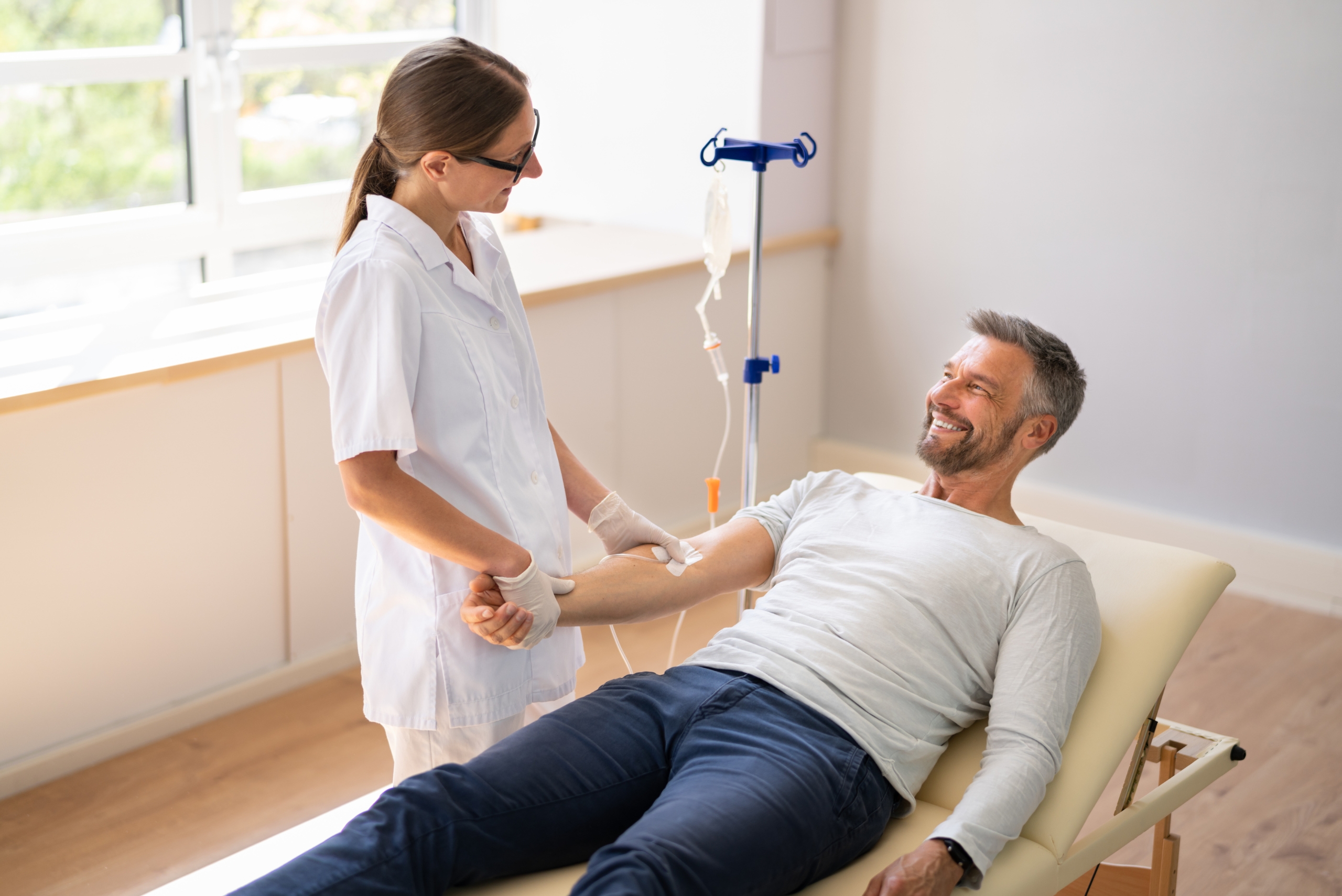
IV therapy is a medical procedure that delivers fluids, electrolytes, vitamins, or medicine directly into a vein. It is commonly used to support hydration and specific clinical needs, but suitability depends on health, symptoms, and treatment goals. 

In this guide, you will learn how IV therapy works, when it may be helpful, and what risks to understand before booking a session.

How Does IV Therapy Work? 

IV therapy works by delivering sterile fluid directly into a vein through a small catheter, allowing the body to receive fluid, electrolytes, vitamins, or prescribed medicine without relying on digestive absorption.

  • A medical professional first reviews your health needs, symptoms, medications, allergies, and suitability.
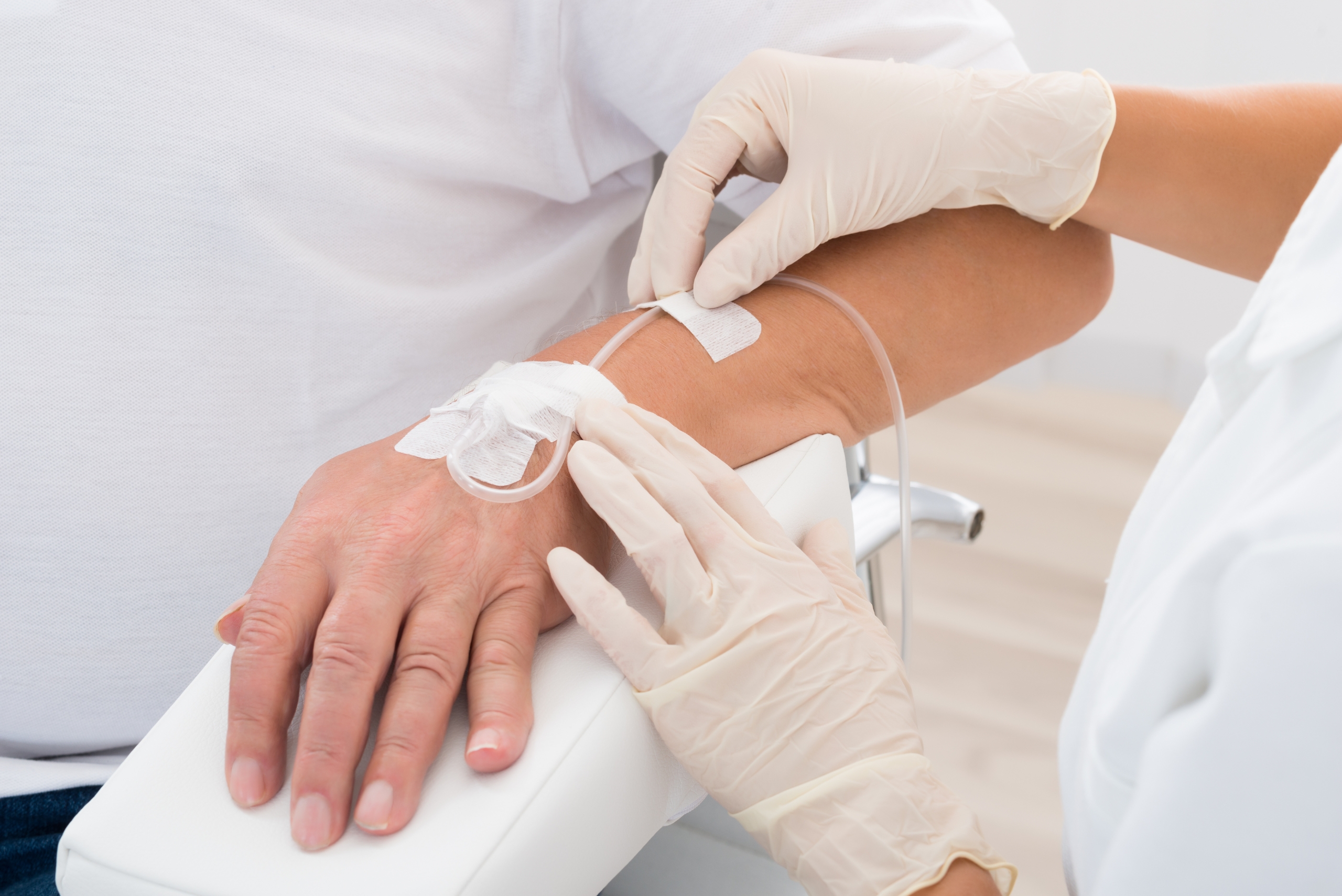
  • A sterile IV line is placed into a vein, usually in the arm or hand.
  • The IV solution flows slowly and directly into the bloodstream.
  • The body receives fluids and selected nutrients without digestive absorption.
  • During the session, the team monitors comfort, flow rate, and any unusual response for safety throughout.

how does iv therapy work

8 Common Types of IV Drip Therapy

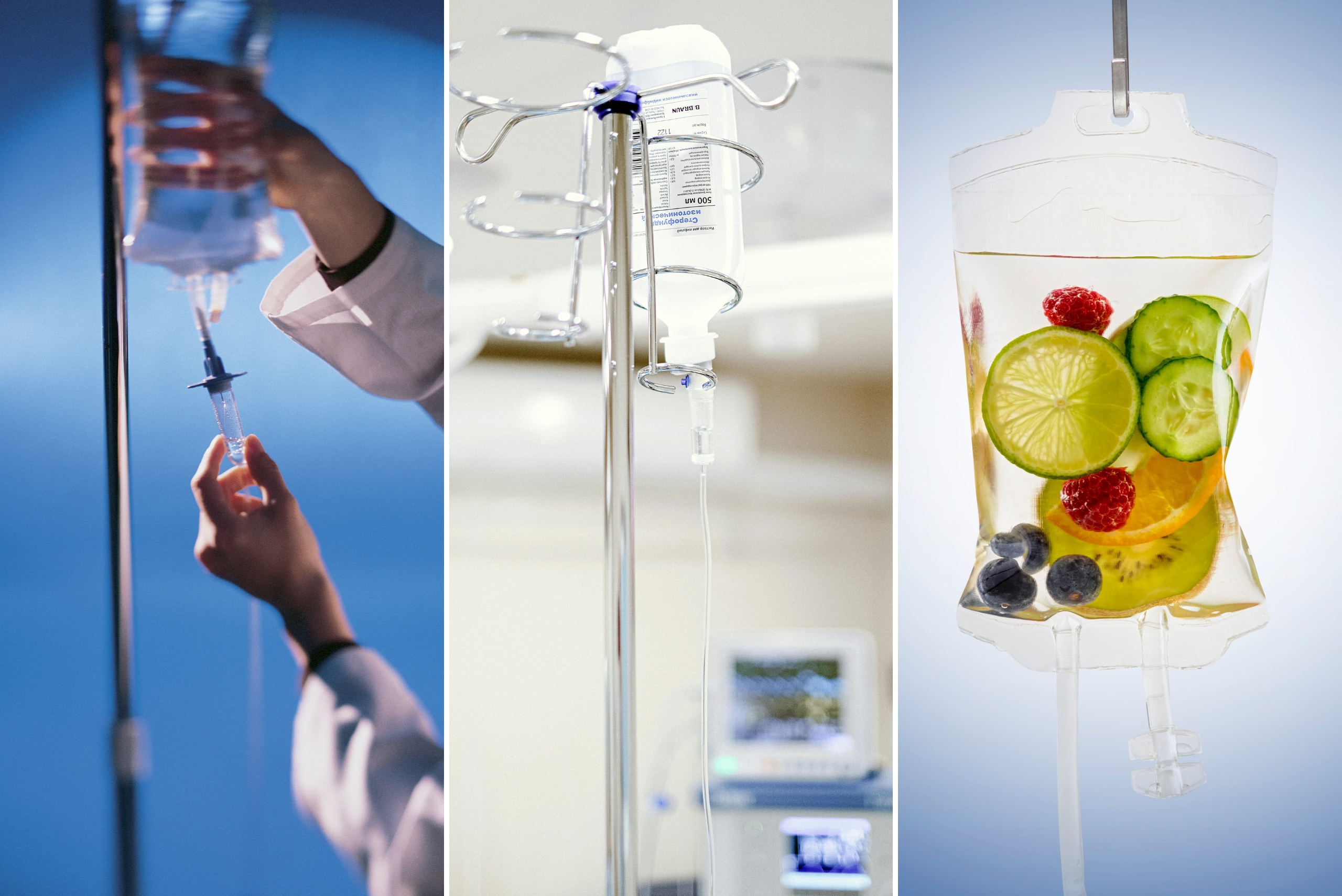
IV drip therapies are often created for different purposes, such as hydration, recovery, nutrient replenishment, antioxidant support, or cellular wellness. These are some of the common types of IV drip therapy available at Verita Health Hoi An

1. NAD+ Infusion Therapy

NAD+ Infusion Therapy delivers nicotinamide adenine dinucleotide, a coenzyme involved in cellular energy production, metabolism, and normal cell function. It is different from standard hydration or vitamin drips because it focuses more on cellular wellness and healthy ageing support.

2. Myers’ Cocktail

Myers’ Cocktail is a classic IV drip formula that usually combines vitamins and minerals such as B vitamins, vitamin C, and calcium. It is different from single-nutrient IV drips because it offers broader nutrient support in one infusion.

3. Jetlag Relief

Jetlag Relief IV therapy focuses on supporting the body after long flights, disrupted sleep, dehydration, and time-zone changes. Jetlag IV Drip will support electrolyte balance, improved comfort, and better mental clarity after travel. 

4. Hangover Relief

Hangover Relief IV therapy focuses on rehydration and nutrient replenishment after alcohol-related fluid loss. Hangover IV Drip helps ease common hangover discomforts such as tiredness, headache, and dehydration-related symptoms, but it should not be seen as a cure or a way to reverse the effects of alcohol.

5. Mega Dose Vitamin C

Mega Dose Vitamin C provides a high concentration of vitamin C through an IV infusion. It is different from standard vitamin drips because it focuses specifically on higher-dose vitamin C support. Key benefits of Mega Dose Vitamin C include antioxidant support, normal immune function support, and general wellness support

6. Liver Detox

Liver Detox IV therapy provides hydration and selected nutrients that may support normal liver function and antioxidant balance. Rather than “flushing out toxins,” it is best understood as supportive wellness care, while the liver and kidneys continue to perform the body’s natural detoxification work.

7. Glutathione 

Glutathione is an antioxidant naturally produced by the body and made from three amino acids: glutamine, glycine, and cysteine. It plays an important role in protecting cells from oxidative stress, supporting normal immune function, and maintaining the body’s natural defence systems. When given intravenously, glutathione may provide targeted antioxidant support as part of a medically guided wellness plan.

8. ALA

Alpha-Lipoic Acid (ALA) is an antioxidant involved in cellular energy production and oxidative balance. ALA IV therapy may support natural antioxidant activity and help the body feel more balanced, especially when used as part of a medically guided wellness plan with proper screening.

common types of iv drip therapy

Potential Benefits of IV Therapy 

The potential benefits of intravenous fluid therapy depend on the individual's health condition, hydration level, and the components used in the infusion. After a suitable infusion session, some people may experience:

  • Faster fluid replacement: supports rehydration when oral fluids are not enough or the body needs more direct fluid support.
  • Electrolyte support: helps replenish minerals lost through heat, sweating, travel, vomiting, diarrhea, or alcohol-related dehydration.
  • General wellness support: provides selected fluids, vitamins, or antioxidants based on individual needs.
  • Increased energy: may help when low energy is linked to dehydration, nutrient depletion, or poor fluid intake.
  • Reduced fatigue: some people feel more refreshed after hydration and nutrient support, although results vary.

Who May Be Suitable to IV Therapy?

Intravenous fluid therapy may be suitable for people who need targeted fluid or nutrient supplementation including those who require IV drip therapy to enhance hydration and restore electrolyte balance. 

  • People with mild to moderate dehydration from heat, sweating, travel, vomiting, diarrhea, or low fluid intake.
  • Individuals who have difficulty drinking or absorbing fluids due to nausea, digestive discomfort, or specific health conditions.
  • Athletes or active individuals who may need fluid and electrolyte support after intense physical activity.
  • Frequent travelers or busy professionals experience fatigue linked to dehydration, jet lag, or poor fluid intake.

who may be suitable to iv therapy

Who Should Be Careful or Avoid IV Therapy? 

IV therapy is not suitable for everyone. Because it delivers fluid and ingredients directly into the bloodstream, some people need extra caution or medical approval before treatment. 

  • People with kidney disease may have difficulty clearing excess fluids, minerals, or certain nutrients.
  • Pregnant or breastfeeding women should only consider IV therapy with medical approval.
  • Individuals with allergies or previous reactions to IV ingredients need careful review before any infusion.
  • People with heart disease, high blood pressure, or fluid restrictions may be at risk if too much fluid is given.
  • Anyone with severe symptoms such as chest pain, fainting, confusion, or severe dehydration should seek urgent medical care.

How to Choose a Safe IV Therapy Centre in Vietnam

Because IV fluids enter the bloodstream directly, the provider should take time to understand your health background, explain the infusion clearly, and recommend treatment only when it is appropriate for your needs. Before booking, consider:

  • Licensed medical practice with qualified healthcare professionals.
  • Pre-treatment screening for allergies, medications, pregnancy, kidney disease, heart conditions, and fluid restrictions.
  • Asking for a clear explanation of ingredients, dosage, risks, and expected outcomes.
  • Transparent pricing and realistic claims without “cure,” “detox,” or guaranteed immunity promises.

Visitors to Hoi An can experience medically supervised intravenous fluid therapy at Verita Health Hoi An - A wellness center where each treatment session begins with a health check to ensure the treatment is appropriate, safe, and meets individual needs.

how to choose the right iv therapy centre in vietnam

What Happens During IV Drip Therapy at Verita Health Hoi An? 

Your IV drip session at Verita Health Hoi An follows a simple, medically guided process to help ensure comfort, safety, and appropriate treatment.

  • Consultation and assessment: Your health history, symptoms, allergies, medications, and wellness goals are reviewed by our medical team.
  • Personalized IV recommendation: The team recommends a suitable IV drip based on your needs and suitability.
  • Infusion preparation: Your IV solution is prepared using sterile equipment.
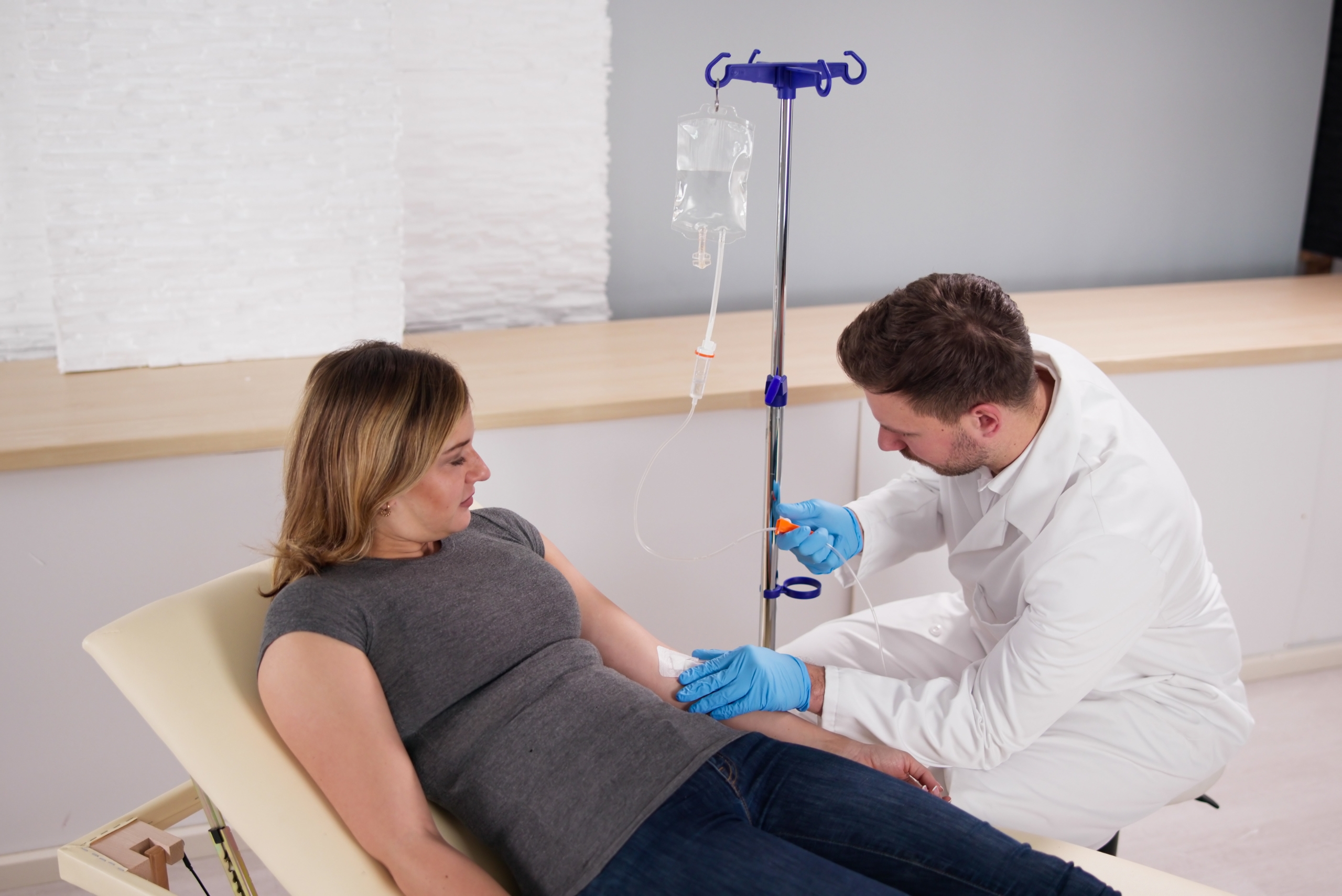
  • IV placement: A small catheter is inserted into a vein, usually in your arm or hand.
  • Infusion session: The IV drip is administered slowly while you relax.
  • Monitoring: Staff monitors your comfort, IV flow, and any possible reactions.
  • Aftercare guidance: You receive simple advice on rest, hydration, and what to expect after treatment.

If you are considering IV drip therapy while in Hoi An, Verita Health Hoi An offers a calm, medically guided environment where your session begins with an assessment and a suitable treatment recommendation. Book an appointment to understand which IV drip option may be right for your needs.

FAQs 

1. Is IV therapy safe?

Intravenous fluid administration is a safe therapy when performed by reputable healthcare centers. You can experience IV Drip Therapy at Verita Health Hoi An with leading medical experts for examination and diagnosis of a suitable treatment plan.

2. Does IV therapy hurt?

You may feel a brief pinch when the IV catheter is placed. During the infusion, most people feel comfortable, though mild pressure or coolness can occur.

3. How often should you get IV therapy?

Frequency depends on your health status, goals, and medical assessment. IV therapy should not be used too often without professional guidance or a clear clinical reason.

4. Is IV therapy better than drinking water?

Not always. Drinking water is enough for most daily hydration needs. IV therapy may be useful when oral fluids are not enough or faster fluid replacement is needed.

5. Is IV therapy available in Vietnam for travelers?

Yes, intravenous fluid therapy is available for travelers in Vietnam. Travelers exploring Central Vietnam may consider Verita Health Hoi An, an intravenous fluid center offering infusion sessions guided by Dr. Abdulla El Hossami and a team of experienced specialists.

Related posts