

Blog
Home > Blog
Top 9 Simple Ways to Support Longevity Every Day

by Verita author on 09.06.2026

Living a longer, healthier life is not only about genetics or advanced medical treatments. Many of the most effective ways to support longevity begin with simple daily habits: how you sleep, move, eat, manage stress, and recover. In a fast-paced urban lifestyle, building sustainable wellness routines can make a meaningful difference in how you feel today and how well you age over time. 

This guide explores nine simple ways to support longevity every day, with practical steps that are easier to maintain and designed to fit real life.

What Does It Mean to Support Longevity?

To support longevity means to build daily habits that help you live not only longer, but better. While ageing is a natural process, the way you sleep, eat, move, recover, manage stress, and respond to your environment can influence how well your body functions over time. Rather than chasing quick fixes or extreme routines, supporting longevity is about making simple, sustainable choices every day that protect long-term wellbeing, preserve energy, and help you feel more capable in daily life. 

1. Move Your Body Every Day

Daily movement is one of the most practical ways to support longevity because the body is designed to move regularly, not stay seated for long hours. Consistent physical activity helps support heart health, blood circulation, joint mobility, blood sugar balance, energy levels, and healthy body weight. For many busy adults in Vietnam, the goal does not have to be intense exercise every day. The more realistic approach is to reduce sedentary time and add simple movement into daily routines.

What to apply:

  • Walk for 20–30 minutes each day, especially in the morning or after dinner.
  • Take the stairs instead of the elevator when possible.
  • Stand up and stretch every 60–90 minutes during work.
  • Walk for 5–10 minutes after meals to support digestion and blood sugar control.
  • Choose low-impact activities such as cycling, swimming, yoga, or mobility exercises.

move your body every day

2. Build Strength, Not Just Cardio

Cardio exercise is valuable, but strength training becomes increasingly important with age. After adulthood, people gradually lose muscle mass if they do not use their muscles regularly. This can affect posture, balance, metabolism, bone health, and independence later in life. Building strength does not mean lifting very heavy weights or training like an athlete. Simple resistance exercises done consistently can help preserve muscle and support long-term healthspan.

What to apply:

  • Do strength training 2–3 times per week.
  • Start with bodyweight exercises such as squats, lunges, push-ups, and planks.
  • Use resistance bands or light dumbbells if you are new to training.
  • Include exercises for the legs, back, core, and grip strength.
  • Focus on proper form before increasing weight or intensity.

build strength not just cardio

3. Eat More Whole, Plant-Rich Foods

Nutrition plays a major role in supporting longevity because food influences energy, inflammation, metabolism, digestion, heart health, and body composition. A plant-rich diet does not mean you must avoid all animal products. It means building meals around whole foods such as vegetables, fruits, beans, tofu, nuts, seeds, herbs, whole grains, and quality proteins. In Vietnam, this can be practical and familiar because many traditional meals already include fresh herbs, vegetables, soups, fish, tofu, and rice-based dishes.

What to apply:

  • Fill half your plate with vegetables, herbs, or salad when possible.
  • Add more beans, tofu, lentils, nuts, seeds, and whole grains.
  • Choose fish, eggs, lean poultry, or plant proteins more often than processed meats.
  • Reduce sugary drinks, deep-fried foods, and packaged snacks.
  • Use salty sauces such as fish sauce and soy sauce mindfully, especially if you eat out often.

eat more whole plant-rich foods

4. Prioritize Quality Sleep

Sleep is one of the most underestimated ways to support longevity. During sleep, the body repairs tissues, regulates hormones, supports immune function, processes memory, and restores the nervous system. Poor sleep over time can affect appetite, stress levels, mood, focus, weight management, and metabolic health. Instead of treating sleep as something to sacrifice, it should be seen as a daily recovery habit that protects both short-term performance and long-term wellbeing.

What to apply:

  • Keep a regular bedtime and wake-up time, even on weekends.
  • Aim for 7–9 hours of sleep per night if possible.
  • Avoid caffeine late in the afternoon or evening.
  • Reduce phone, laptop, and TV exposure before bed.
  • Keep your bedroom cool, dark, quiet, and comfortable.

prioritize quality sleep

5. Manage Stress Before It Becomes Chronic

Stress is not always harmful, but chronic stress can become a serious problem when the body stays in a constant state of tension. Long-term stress may influence sleep, digestion, blood pressure, mood, food choices, and motivation to exercise. Many people only address stress when they feel burned out, but longevity-focused living means learning to recover before stress becomes overwhelming. Simple daily calming practices can help regulate the nervous system and improve resilience.

What to apply:

  • Practice slow breathing for 3–5 minutes during stressful moments.
  • Try meditation, yoga, prayer, journaling, or quiet reflection.
  • Take short breaks during work instead of pushing through fatigue.
  • Spend time in nature or take a walk without your phone.
  • Set healthy boundaries around work, messages, and screen time.

manage stress before it becomes chronic

6. Get Regular Health Checks

Longevity is not only about daily habits; it is also about knowing your personal health risks. Many issues related to blood pressure, blood sugar, cholesterol, body composition, and metabolic health can develop quietly without obvious symptoms at first. Regular health checks help you make informed decisions before small problems become more serious. For a wellness or longevity-focused lifestyle, testing and tracking can make your plan more personalized and effective.

What to apply:

  • Check blood pressure regularly, especially if you have family risk factors.
  • Monitor blood sugar, cholesterol, and other key blood markers.
  • Schedule annual wellness assessments or preventive check-ups.
  • Track body composition, waist measurement, mobility, and fitness progress.
  • Speak with qualified professionals before starting major lifestyle or supplement changes.

get regular health checks

7. Spend Time Outdoors Safely

Spending time outdoors supports longevity by encouraging movement, sunlight exposure, relaxation, and a better connection with nature. Natural light can also help regulate the body’s daily rhythm, which supports sleep and energy. However, in Vietnam’s warm climate and busy urban areas, outdoor activity should be done wisely. Heat, humidity, strong sun, and air pollution can make timing and protection important, especially for older adults or people with health conditions.

What to apply:

  • Go outside in the early morning or late afternoon when temperatures are cooler.
  • Take walks in parks, near trees, or in quieter areas when possible.
  • Stay hydrated before, during, and after outdoor activity.
  • Use sunscreen, hats, sunglasses, or protective clothing.
  • Check air quality before intense outdoor exercise in major cities.

spend time outdoors safely

8. Reduce Smoking, Excess Alcohol, and Ultra-Processed Foods

Supporting longevity also means reducing habits that increase stress on the body. Smoking, heavy alcohol use, sugary drinks, processed meats, instant noodles, packaged snacks, and deep-fried fast foods can negatively affect long-term health when they become regular patterns. The goal is not perfection, but steady reduction. Replacing harmful habits with better options makes change more realistic and helps protect heart health, metabolism, energy, and overall wellbeing.

What to apply:

  • Quit smoking or seek professional support to reduce and stop gradually.
  • Limit alcohol intake and avoid using alcohol as a stress-management tool.
  • Replace sugary drinks with water, unsweetened tea, or sparkling water.
  • Choose fresh meals more often than packaged or highly processed foods.
  • Keep healthier snacks available, such as fruit, nuts, yogurt, or boiled eggs.

reduce smoking and alcohol

9. Make Longevity Habits Easy to Repeat

The habits that support longevity only work when they are repeated consistently. Many people fail because they choose routines that are too complicated, too expensive, or too extreme for daily life. A smarter approach is to make healthy habits easier to start and harder to forget. When your environment supports your goals, you rely less on motivation and more on simple systems. Over time, small repeated actions can create meaningful improvements in healthspan.

What to apply:

  • Start with one or two small habits instead of changing everything at once.
  • Prepare simple healthy meals or ingredients in advance.
  • Keep walking shoes, workout clothes, or resistance bands visible.
  • Use reminders, habit trackers, or calendar blocks for wellness routines.
  • Connect new habits to existing routines, such as stretching after brushing your teeth or walking after dinner.

make longevity habits easy to repeat

How a Longevity Centre Can Help Personalize Your Plan

At Verita Health Hoi An, a longevity centre can help you move beyond general advice by assessing key areas such as nutrition, movement, sleep, stress, metabolic health, and preventive wellness. Instead of guessing which habits matter most, you can receive guidance based on your current lifestyle, health profile, and long-term goals.

  • Identify current health risks, lifestyle gaps, and areas where small changes may make a meaningful difference, supported by advanced therapies and assessments such as VIBA Genetic & Epigenetic Testing, HBOT, IV Drip Therapy, NAD+, Peptide Therapy, and other personalised wellness solutions.
  • Create realistic nutrition, movement, sleep, and recovery goals that fit naturally into your daily routine.
  • Track your progress with expert guidance from Dr. Abdulla El Hossami, allowing your plan to be adjusted as your needs, goals, and results evolve.
  • Build sustainable habits that support long-term healthspan, energy, resilience, and overall wellbeing.

To begin your journey, make an appointment with our team at Verita Health Hoi An and discover the right longevity plan for your lifestyle.


Related posts

Medical Tourism in Vietnam (2026): Health & Travel Combined

by Verita author on 09.06.2026

Vietnam is emerging as a destination where healthcare, wellness, and travel can come together in a way that feels both practical and meaningful. From preventive health checks to recovery-focused wellness experiences, the country offers travellers a chance to care for their body while exploring a new place. This guide helps you understand what to consider before combining your health goals with a trip to Vietnam.

Why Vietnam Is Becoming A Medical Tourism Destination In 2026

In 2026, medical tourism is no longer only about treatment abroad; it is also about prevention, personal wellness, and choosing destinations that make recovery feel calmer and more manageable. With improving healthcare standards, competitive costs, and strong tourism appeal, Vietnam is well positioned for visitors who want to combine medical or wellness services with meaningful travel.

  • Growing interest in preventive health, with more travellers looking for early screening, longevity support, recovery therapies, and personalised wellness plans.
  • Competitive treatment and wellness costs, making Vietnam appealing for visitors who want quality care with more accessible pricing.
  • Improving healthcare infrastructure, especially in major destinations such as Ho Chi Minh City, Hanoi, and Da Nang.
  • Rising demand for holistic care that combines medical support, recovery, relaxation, nutrition, movement, and stress management.
  • Strong travel appeal, especially in Central Vietnam, where visitors can enjoy Da Nang’s coast, Hoi An’s cultural charm, and wellness experiences at Verita Health Hoi An, just a short 5 minutes drive from Hoi An.

vietnam is becoming a medical tourism destination

Who Should Consider Medical Tourism In Vietnam?

Medical tourism in Vietnam is suitable for travelers who want to use their time abroad more intentionally, especially when health, prevention, recovery, and travel are part of the same goal. It can appeal to individuals who want professional health support in a calm destination, without separating medical care from rest, lifestyle improvement, and cultural experience. People who consider medical tourism in Vietnam:

  • People focused on longevity and long-term health want to better understand their body, identify risks early, and build a more personalised prevention plan.
  • Busy professionals with limited time who want to combine health checks, recovery therapies, and travel into one efficient trip.
  • Wellness travelers recovering from stress or burnout who need a setting that supports rest, nervous system recovery, and a slower rhythm.
  • Travelers seek preventive health checks before symptoms become more serious or harder to manage.

Best Cities In Vietnam For Medical And Wellness Tourism

1. Danang/Hoi An

Da Nang and Hoi An are becoming strong choices for travelers who want healthcare, recovery, and relaxation in one trip. Da Nang offers coastal access, modern hospitality, and growing medical tourism infrastructure, while Hoi An brings a calmer pace, cultural charm, and a restorative setting. Verita Health Hoi An also adds to the area’s appeal as a strong longevity and wellness option in the region, especially for travelers interested in personalised health programmes, healthy ageing support, and a more balanced approach to medical travel.

Explore more: Explore The Services Available at Verita Health Hoi An Today

danang hoi an for medical and wellness tourism

2. Ho Chi Minh City

Ho Chi Minh City is often the first choice for travelers seeking a wider range of private healthcare, specialist clinics, diagnostics, dental care, cosmetic procedures, and executive health checks. As Vietnam’s largest commercial city, it has strong hospital networks, international patient services, and convenient flight access from across Asia. It is well suited to visitors who want efficient appointments, urban convenience, and access to more specialised medical providers, while still having hotels, restaurants, and business services close by throughout their stay.

ho chi minh city for medical and wellness tourism

3. Hanoi

Hanoi is a strong option for travelers who value established medical institutions, specialist expertise, and a more traditional cultural setting. As Vietnam’s capital, the city is known for major hospitals, research-linked healthcare, diagnostics, and advanced treatment services. It appeals to medical travelers who want a deeper clinical focus while also experiencing Vietnam’s history, food, and slower northern rhythm. For those planning longer stays, Hanoi can offer a practical balance between healthcare access, cultural exploration, and post-appointment recovery time.

hanoi for medical and wellness tourism

Risks And Safety Considerations You Should Know

Medical tourism can be a positive and well-planned experience, but it should never be treated casually. Before travelling for healthcare or wellness services, take time to understand the provider, the treatment process, and what support is available before, during, and after your appointment. Good planning helps reduce avoidable risks and gives you more confidence in your decision.

  • Provider Credentials: Check licences, doctor qualifications, clinical experience, and facility standards before confirming any treatment.
  • Transparent Pricing: Request an itemised quote so you understand what is included, what is optional, and what may cost extra.
  • Aftercare Planning: Ask how recovery, complications, follow-up appointments, and emergency support are handled.
  • Insurance Coverage: Confirm whether your policy covers overseas treatment, complications, emergency care, and medical travel changes.

Pre-Travel Checklist For International Patients

Before travelling to Vietnam for medical or wellness services, plan your trip as both a health journey and a travel experience. As a traveler, you need to think beyond flights and hotels: your medical history, appointment schedule, recovery time, insurance, and local support all matter. A well-prepared plan helps you avoid rushed decisions, unclear expectations, or travel activities that may interfere with your treatment or wellness goals.

  • Define our health goal: Know whether you want a check-up, longevity consultation, recovery support, or wellness programme.
  • Book a pre-arrivalc consultation: Share your health concerns before travelling so the provider can recommend a suitable plan.
  • Prepare medical records: Bring recent test results, prescriptions, allergies, and relevant health history.
  • Check visa and stay length: Allow enough time for consultation, treatment, rest, and follow-up.
  • Plan a recovery buffer: Avoid tight flights, tours, or business meetings after your appointment.
  • Review insurance and emergency support: Confirm overseas care, complications, and emergency coverage.

If you are planning a medical or wellness trip to Vietnam, make Verita Health Hoi An part of your pre-travel plan. As a longevity centre under Verita Healthcare Group, with over 15 years of experience in precision and longevity medicine, it offers a guided approach to preventive health, recovery, and wellness optimisation. 

Book an appointment before you arrive to discuss your health goals and explore suitable longevity and wellness programmes for your visit.

Related posts

VIBA Genetic & Epigenetic Testing: Complete Guide

by Verita author on 09.06.2026

Many people experience low energy, slow recovery, weight fluctuations, poor sleep, ongoing stress, concerns about premature ageing, or a family history of health problems. Over time, they may begin to feel that general health advice or routine checkups do not fully explain what is happening in their body. 

This is where genetic and epigenetic testing can offer a more personalised view, helping people better understand their inherited traits, lifestyle influences, and potential areas for health optimisation. Guideline provides a general overview of VIBA Genetic & Epigenetic Testing and suggests which testing panel may be suitable for each individual.

What Is Genetic Testing?

Genetic testing is a type of health assessment that looks at your DNA to identify inherited variations that may influence how your body functions. These genetic markers can offer insight into areas such as nutrient metabolism, exercise response, inflammation, detoxification, sleep patterns, stress response, and certain health predispositions. 

Because your DNA is largely stable throughout life, genetic testing helps reveal the biological tendencies you are born with. In a longevity context, this information can support more personalized wellness planning, but it should not be treated as a diagnosis or a guarantee of future health outcomes. 

what is genetic testing

What Is Epigenetic Testing?

Epigenetic testing looks at changes that influence how your genes are expressed, without changing the DNA sequence itself. These changes may be affected by lifestyle, ageing, stress, sleep, nutrition, exercise, environmental exposure, and other factors. One common focus of epigenetic testing is DNA methylation, which may help estimate biological age and provide insight into how your current habits and environment are affecting your body at a cellular level. 

For longevity planning, epigenetic testing can be useful because it reflects a more dynamic picture of your health, but results should always be interpreted alongside clinical history, biomarkers, and professional guidance. 

what is epigenetic testing

How Genetic Testing Differs from Epigenetic Testing

Genetic and epigenetic testing are closely related, but they do not measure the same thing: 

Factor Genetic Testing Epigenetic Testing
What it looks at Your DNA sequence and inherited genetic variations Chemical changes that influence how genes are expressed
Main question it answers “What biological tendencies was I born with?” “How may my current lifestyle and environment be affecting my biology?”
Changes over time? Mostly stable throughout life More dynamic and may change with age, lifestyle, and environment
Longevity relevance Helps identify inherited predispositions and personalized wellness considerations May help assess biological ageing and lifestyle-related cellular changes
Common insights Nutrient metabolism, exercise response, stress response, detoxification, inflammation, health predispositions Biological age, methylation patterns, cellular ageing, lifestyle impact
Best used for Understanding long-term predispositions Tracking current biological state and potential lifestyle influence
Important limitation Does not guarantee future disease or health outcomes Does not prove exact lifespan or diagnose disease

Discover Advanced Health Testing at Verita Health Hoi An

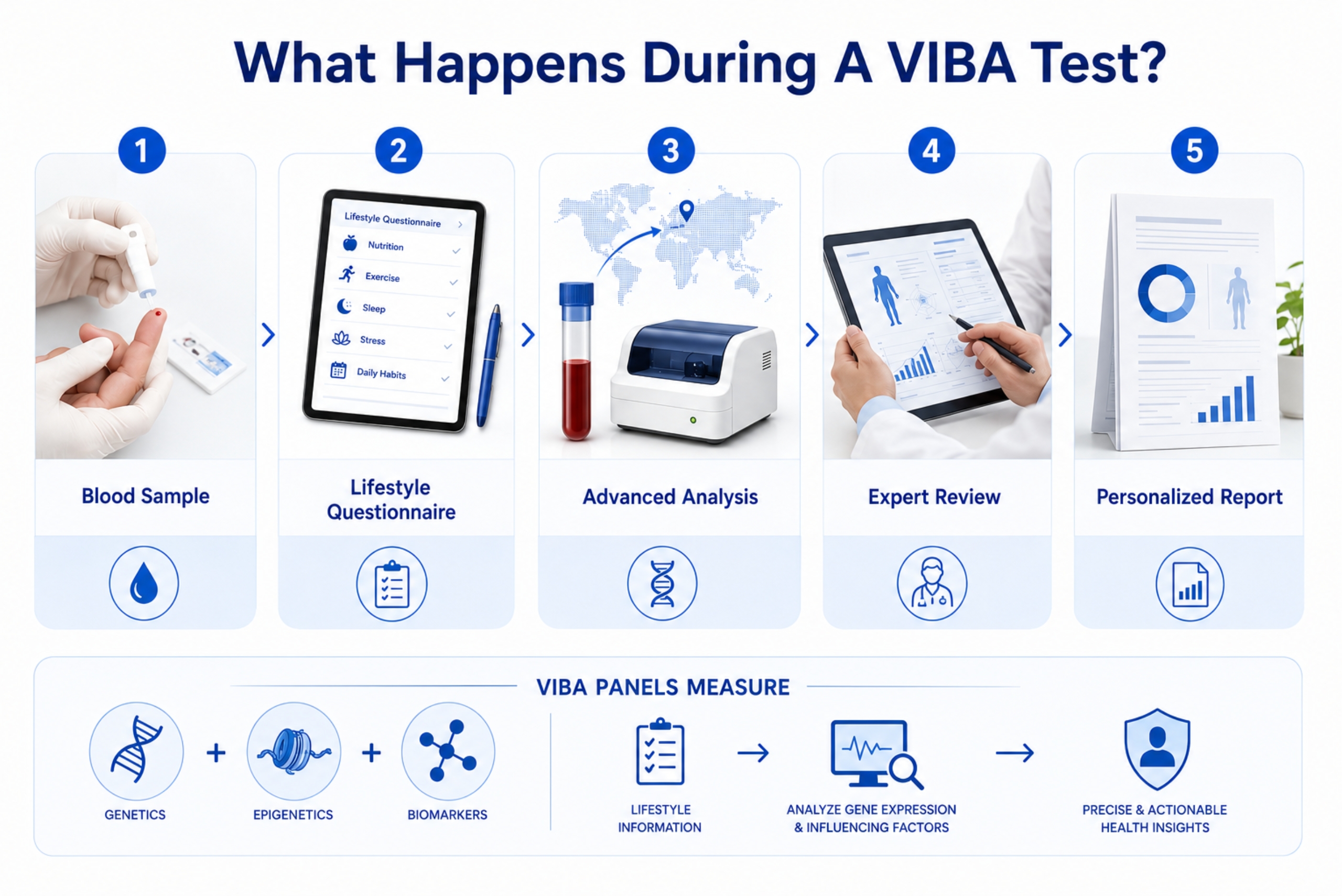
At Verita Health Hoi An, VIBA Genetic & Epigenetic Testing is offered through three specialized panels designed to help you understand your biological age, genetic profile, metabolic health, and lifestyle-related markers. Each test combines laboratory analysis with lifestyle insights to provide a clearer picture of how your body is ageing and how your daily habits may be influencing your long-term wellness.

1. Verita Index of Biological Age

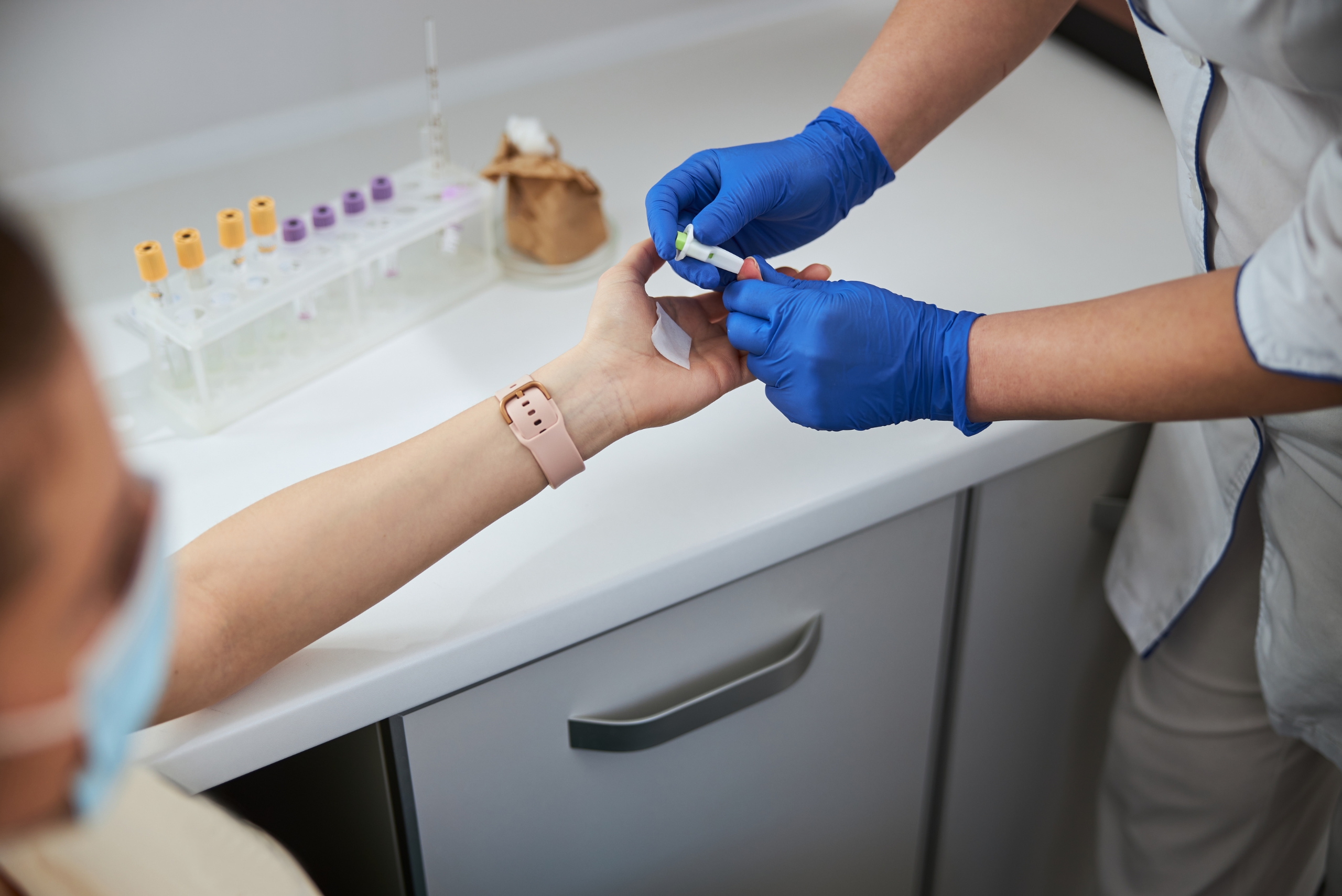
The Verita Index of Biological Age is an entry-level biological ageing assessment designed to measure key markers linked to ageing, inflammation, DNA stability, and cellular health. Using a blood spot sample and lifestyle questionnaire, this panel analyzes markers such as telomere length, DNA methylation, circulating microRNAs, and DNA polymorphisms to compare your biological age with your chronological age.

  • Who it is good for: People who want to understand whether they may be ageing faster or slower than expected, prevent premature ageing, and receive personalized recommendations for healthier ageing.
  • What is in the report: Your Verita Index of Biological Age, telomere length insights, DNA methylation markers, inflammation and DNA stability indicators, and lifestyle-related factors that may be influencing your ageing process.

2. VIBA Plus

VIBA Plus provides a more comprehensive view of your genetic and epigenetic profile, with added focus on metabolic health, nutrition, lifestyle, and inherited risk factors. This panel includes analysis of DNA methylation, telomere length, lifestyle and nutrition data, plus 23 genes and 5 epigenetic markers to help explain how your biology and daily habits interact.

  • Who it is good for: People who want a deeper understanding of their genetic profile, current epigenetic status, metabolic health, nutritional needs, and how lifestyle choices may be affecting their overall wellbeing.
  • What is in the report: Biological age assessment, metabolic assessment, genetic health risk insights, nutritional and lifestyle status, telomere length score, inflammation markers, DNA stability markers, and personalized recommendations for nutrition and lifestyle optimization.

3. VIBA Premium

VIBA Premium is the most comprehensive VIBA panel, designed for individuals who want the broadest view of their biological age, metabolic health, nutrition, lifestyle, and fitness-related markers. It includes the full scope of VIBA Plus, with additional analysis of genetic and epigenetic biomarkers related to fitness, health score, training response, injury prevention, and weight management.

  • Who it is good for: Active individuals, longevity-focused clients, and anyone who wants to optimize training, fitness, metabolic health, nutrition, and biological ageing through a more complete marker profile.
  • What is in the report: Verita Index of Biological Age, telomere length, inflammation markers, biological age markers, nutritional and lifestyle assessment, fitness and health score, training guidance, weight management insights, and personalized recommendations to support long-term monitoring and optimization.

advanced health testing at verita health hoi an

What Genetic & Epigenetic Testing Cannot Tell You

Genetic & Epigenetic Testing can provide valuable insight into your inherited traits, biological ageing markers, and how lifestyle may be influencing gene expression. However, it is important to understand its limitations. These tests are not designed to diagnose disease, predict your future with certainty, or replace medical evaluation. A result may show tendencies, risk patterns, or areas for improvement, but it should always be interpreted together with your health history, symptoms, blood tests, lifestyle, and professional guidance.

Genetic & Epigenetic Testing cannot tell you:

  • Exactly how long you will live: Biological age markers can offer useful insight, but they cannot predict lifespan with certainty.
  • Whether you will definitely develop a disease: Genetic or epigenetic markers may suggest risk patterns, but they do not guarantee future health outcomes.
  • The cause of every symptom: Fatigue, weight changes, poor sleep, inflammation, or stress may have many causes that require broader assessment.
  • A complete diagnosis: These tests support wellness planning, but they are not a substitute for clinical diagnosis, imaging, blood work, or medical consultation.
  • One perfect diet or exercise plan for everyone: Results can guide personalization, but your plan should also consider preferences, goals, medical history, and current biomarkers.
  • Permanent results: Genetic information is mostly stable, but epigenetic markers may change over time with ageing, lifestyle, environment, and health status.

At Verita Health Hoi An, the value of VIBA testing lies not in giving a fixed prediction, but in helping you better understand your biology and make more informed decisions about prevention, longevity, nutrition, recovery, and lifestyle optimisation.

genetic and epigenetic testing cannot tell you

How to Choose a Trusted Testing Provider

Choosing a trusted testing provider is important because genetic and epigenetic results can influence how you think about your health, lifestyle, and long-term prevention plan. Look for a provider that offers:

  • Clear explanation of each test panel, including what it measures and who it is most suitable for.
  • Reliable sample collection and laboratory standards to support accurate, well-managed testing.
  • Professional interpretation, so your results are explained in context rather than left as raw data.
  • Personalised guidance based on your health history, lifestyle, family background, and goals.
  • Transparent information on test limitations, privacy, and how your data is handled.
  • Follow-up support to turn your results into practical next steps for health optimisation.

Verita Health Hoi An – Your Trusted Partner in Advanced Genetic & Epigenetic Testing

At Verita Health Hoi An, VIBA Genetic & Epigenetic Testing is designed to support a more preventive, science-driven approach to long-term wellness. Reasons to choose Verita Health Hoi An include:

  • VIBA Genetics & Epigenetic Tests that help you take a deeper look into your biological patterns and long-term wellness needs.
  • A preventive health approach backed by over 15 years of experience in precision and longevity medicine.
  • Personalised insights that can support decisions around ageing, recovery, metabolism, sleep, stress, and health optimisation.
  • A licensed hotel-based medical wellness centre in Central Vietnam, combining professional care with a calm resort environment.
  • Science-driven protocols supported by doctors, therapists, medical consultants - Dr. Abdulla El Hossami, and a global Medical Advisory Board.

Contact us today to explore VIBA Genetic & Epigenetic Testing and begin a more personalised path toward preventive health, longevity, and better understanding of your body.

Related posts

Hyperbaric Oxygen Therapy Complete Guide: What to Know Before Your First Session

by Verita author on 09.06.2026

Hyperbaric Oxygen Therapy, commonly known as HBOT, is becoming more familiar in Vietnam’s wellness and medical-wellness space. In destinations such as Hoi An, Da Nang, Ho Chi Minh City, and Hanoi, more wellness centers are introducing advanced recovery therapies alongside traditional spa models. This is happening since locals, travelers, expats are actively looking for more curated health-conscious travel lifestyles.

This guide explains what you need to know before your first HBOT session, from how the treatment works and what to expect during the appointment to who should avoid or delay therapy.

How Does HBOT Therapy Work? 

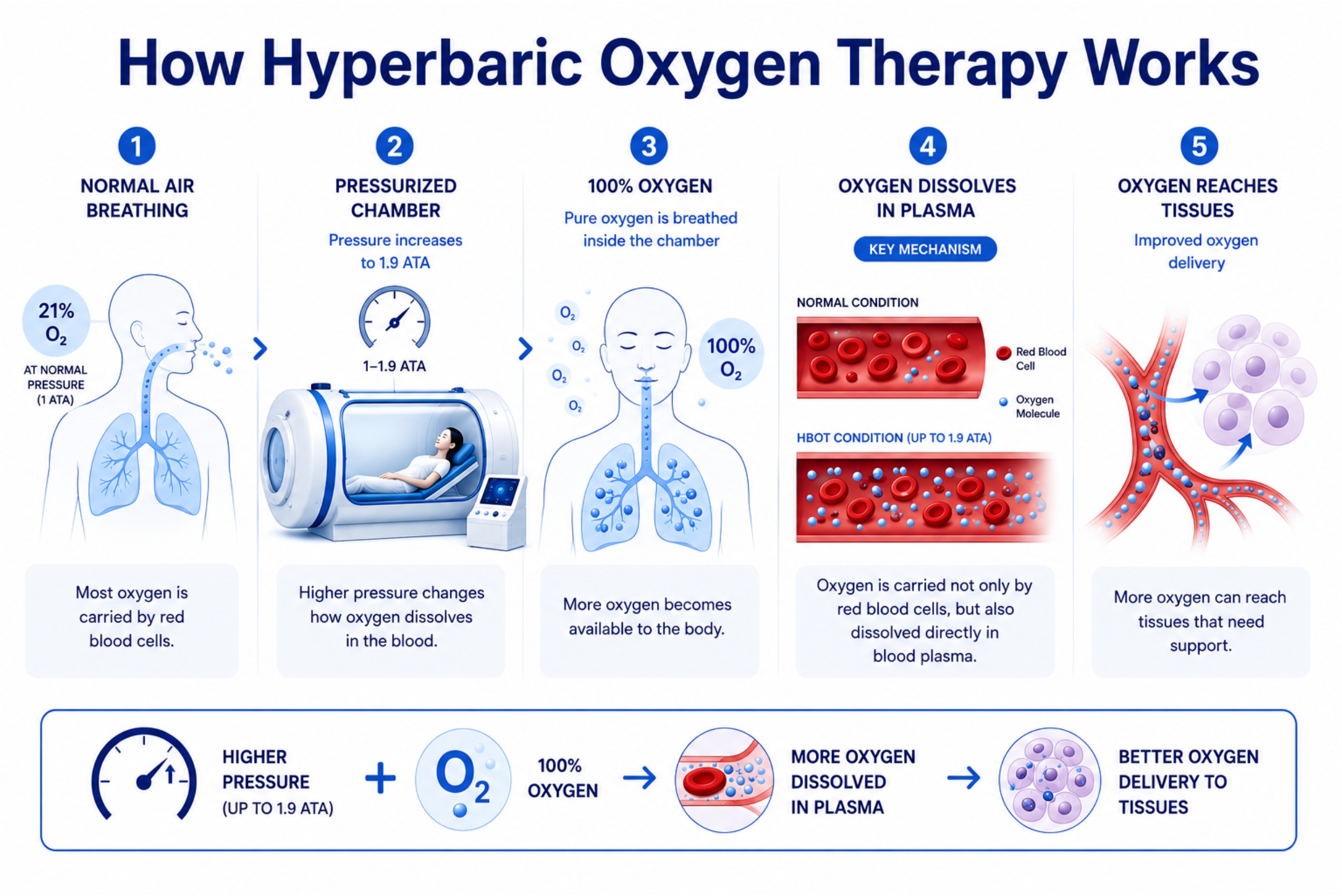
HBOT therapy works by combining oxygen with increased atmospheric pressure inside a hyperbaric chamber. Under normal conditions, oxygen is mostly carried through the body by red blood cells. In an HBOT session, the higher-pressure environment allows oxygen to behave differently, making more oxygen available in the blood and supporting delivery to tissues that may need additional recovery support.

  • More oxygen dissolves into the blood plasma, which is the liquid part of the blood. This can improve overall oxygen availability beyond what red blood cells normally carry.
  • Oxygen may reach areas with reduced circulation because more oxygen is available in the plasma, helping support tissues where blood flow is limited or healing demand is higher.
  • Tissue repair processes may be supported through oxygen’s role in collagen production, new blood vessel formation, and immune cell activity.
  • Treatment conditions are carefully controlled, including chamber pressure, oxygen exposure, session duration, and safety procedures.

hbot therapy

What to Expect During Your First HBOT Session

Before Session

  • Before your first HBOT session, you will complete a health screening and discuss your medical history, current medications, wellness goals, and any conditions that may affect your safety or comfort during treatment.
  • Verita Health nurses may ask about ear or sinus problems, lung conditions, recent illness, diabetes, pregnancy, claustrophobia, previous surgeries, or any health concerns that could influence whether HBOT is suitable for you at that time.
  • You will also receive instructions on what to wear and what not to bring into the chamber. Certain items, such as electronics, oils, lotions, perfumes, or flammable materials, may not be allowed for safety reasons.

This stage matters because HBOT should be tailored to your health profile. It is not a one-size-fits-all wellness service, and the right preparation helps create a safer, calmer first experience.

During Session

  • During the session, you will lie inside the hyperbaric chamber while the pressure gradually increases. The process is usually steady and controlled, giving your body time to adjust.
  • As the chamber pressurizes, you may feel fullness or popping in your ears, similar to what happens during takeoff or landing on a flight. This is a common sensation when pressure changes.
  • A nurse should guide you on how to equalize ear pressure and remain available throughout the session if you feel discomfort, anxiety, or need assistance at any point.

After Session

  • At the end of the session, the chamber pressure is slowly returned to normal before you exit. This gradual process helps your body adjust comfortably after being in a pressurized environment.
  • Some people feel relaxed or slightly tired afterward, while others may not notice an immediate difference after the first session. Both responses can be normal, especially when HBOT is part of a longer wellness or recovery plan.

After your session, it is helpful to hydrate, avoid rushing into intense activity, and give your body time to settle before returning to the rest of your day. The Verita Health team will check how you feel, ask about any ear pressure or discomfort, and explain what to watch for after leaving the centre.

what to expect during your first HBOT session

Comparing Mild HBOT vs. Medical HBOT 

Not all hyperbaric oxygen experiences are the same. Mild HBOT and medical HBOT can differ in chamber type, pressure level, oxygen delivery, clinical oversight, and intended use.

Factor Mild Hyperbaric Chamber Medical HBOT
Typical Pressure Range Often around 1.1–1.35 ATA, and up to 1.5 ATA Commonly around 1.5 – 1.9 ATA
Primary Objective
  • Usually focused on general wellness support.
  • Promotes relaxation and light recovery.
  • Helps first-time users experience a lower-pressure hyperbaric environment.
  • Usually focused on clinical treatment for specific medical indications.
  • Used for conditions such as selected wounds, decompression sickness, carbon monoxide poisoning, and radiation injury.
Potential Benefits
  • Supports gentle recovery and relaxation.
  • Helps manage perceived fatigue.
  • Complements general wellness routines when used with realistic expectations.
  • Supports medically directed outcomes such as wound healing.
  • Improves tissue oxygenation.
  • Aids infection control support and recovery in approved or recognized conditions.
Suitable For Screened wellness users, beginners, and people looking for lower-intensity recovery support under appropriate supervision. Patients with a clear medical need, physician-directed therapy, or conditions where HBOT is part of an established treatment protocol.
Supervision Needed Should still involve screening and clear instructions before the session. Requires stricter medical oversight, patient monitoring, fire-safety procedures, pressure protocols, and emergency readiness.

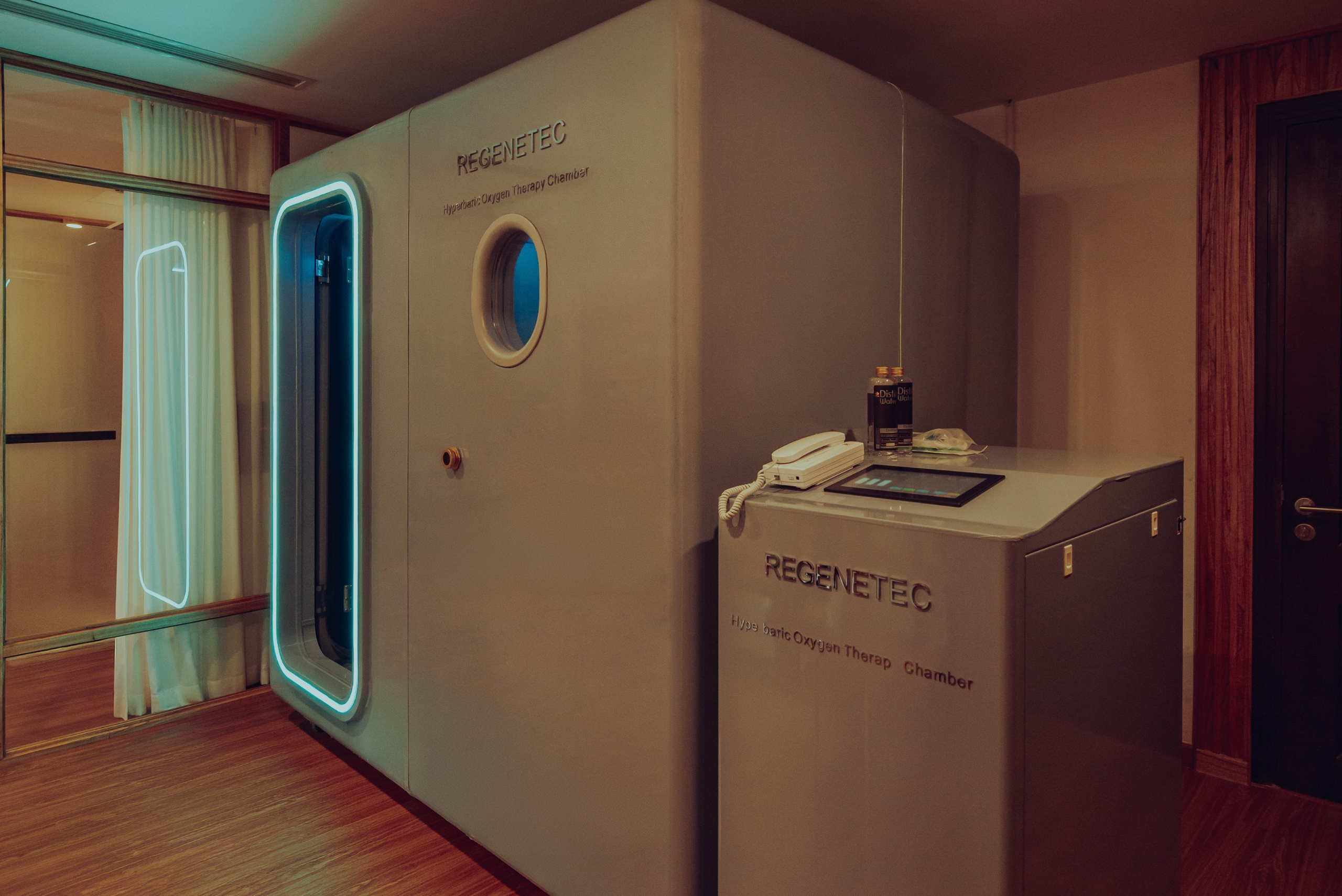
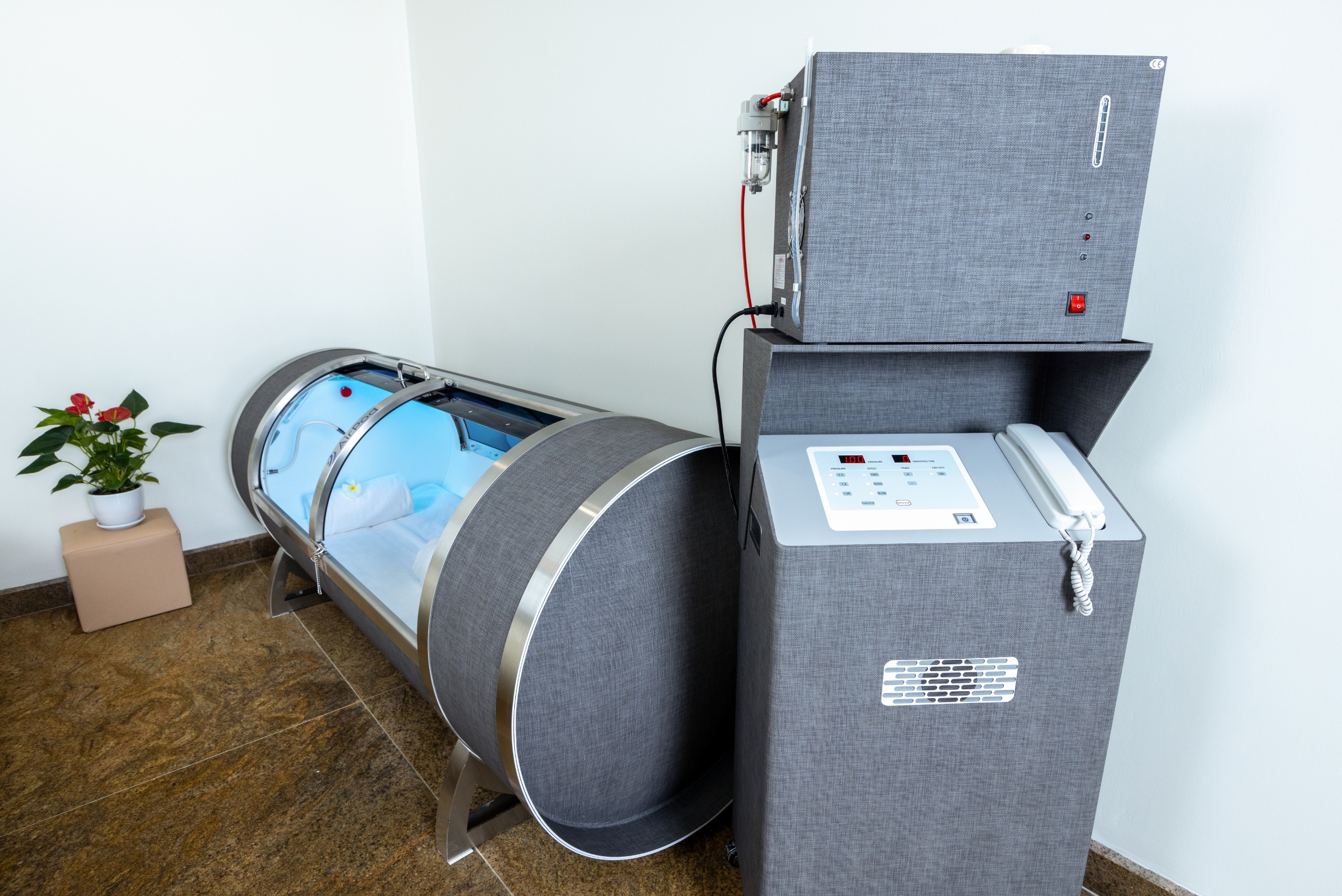
At Verita Health Hoi An, we offer a more flexible and personalised HBOT experience with two different chamber options. You can choose to lie down in a spacious chamber for a more relaxing session, or sit upright in a compact chamber depending on your comfort and preference. Our team will guide you in selecting the most suitable option based on your needs, ensuring a comfortable and supportive experience throughout your therapy.

Who Should Avoid or Delay HBOT?

HBOT is not suitable for everyone, and some people should delay treatment until a health concern has been reviewed or resolved. A proper screening helps protect your safety, especially because pressure changes can affect the ears, sinuses, lungs, and blood sugar control. Before booking a session, speak with a healthcare provider if any of the following apply to you:

  • An untreated collapsed lung or a history of serious lung disease
  • Current ear pain, sinus infection, fever, cold, or congestion
  • Diabetes, especially if you use insulin or glucose-lowering medication
  • Pregnancy or a complex medical condition
  • Severe claustrophobia or anxiety in enclosed spaces
  • Recent surgery, implanted devices, or medications that require review

who avoid or delay hbot therapy

What HBOT Can and Cannot Promise 

For first-time clients, the most responsible way to approach HBOT is with clear expectations: it may support oxygen delivery and recovery-related processes, but it does not replace medical care or promise instant transformation.

HBOT will support HBOT cannot promise
Better oxygen availability in the body under controlled pressure Immediate results after one session
Recovery, relaxation, and tissue-support processes when used appropriately A cure for every condition or symptom
A broader wellness plan guided by trained professionals Replacement for diagnosis, medication, or medical treatment

How to Choose an HBOT Centre in Vietnam

Choosing an HBOT centre should go beyond price or convenience. Because treatment involves oxygen, pressure, and safety protocols, look for a provider that takes screening, supervision, and client comfort seriously.

  • Licensed medical or wellness setting
  • Clear health screening before treatment
  • Trained staff available during the session
  • Transparent guidance on pressure, duration, and safety rules
  • Clean, calm environment that helps you feel at ease

If this is your first time considering HBOT, experience it at Verita Health Hoi An, a longevity centre in Central Vietnam designed for travellers who want a more guided approach to recovery, wellness, and healthy ageing. You can receive professional guidance from the Verita Health team, with access to consultation from Dr. Abdulla El Hossami, Verita Healthcare’s Leading Medical Expert, to better understand whether HBOT is suitable for your health profile, recovery goals, and travel schedule. Make an appointment today to receive personalised advice and a safe, well-supported first HBOT experience.

Related posts

Jet Lag Recovery: How to Reset Your Body Clock After a Long Flight

by Verita author on 09.06.2026

After a long flight, you may arrive at your destination feeling exhausted during the day but wide awake at night. That disconnect is often jet lag: a temporary disruption of your body’s internal clock after crossing time zones, affecting sleep, energy, digestion, and focus. Recovery is not about forcing your body to adjust instantly, but gently helping it find the local rhythm again. 

Explore this article to understand what causes jet lag, how long it usually lasts, and the most effective ways to reset your body clock after a long flight. 

What is Jet Lag and Why Does It Happen After Long Flights?

Jet lag occurs when your body’s internal clock is still aligned with one time zone while your destination operates in another. This internal clock, known as your circadian rhythm, controls when you feel sleepy, hungry, alert, or low in energy. When you travel across multiple time zones quickly, your body cannot adjust instantly, leading to what is known as circadian rhythm disruptions.

For travellers arriving in Vietnam, jet lag is especially common if you are coming from distant regions such as the UK, Europe, the United States, Canada, or parts of South America. The greater the time difference, the more intense the symptoms tend to be. As a result, you may feel sleepy during the day, wide awake late at night, or hungry at times that do not match the local routine.

Several factors can make jet lag feel even worse after long flights:

  • Cabin air is very dry, which can lead to dehydration and fatigue
  • Sleep on planes is often light and frequently interrupted
  • Meals are served at unusual times, confusing your body’s rhythm
  • Sitting for long hours can leave your body feeling stiff, heavy, and sluggish
  • Exposure to light at the wrong time after arrival can delay your adjustment to the new time zone

The key point is that jet lag is not only about how long your flight is. It is mainly about how many time zones you cross. This is why travellers flying to Vietnam from cities like London, Paris, New York, or Toronto often feel more affected than those arriving from nearby destinations such as Bangkok, Singapore, or Seoul.

why does jet lag happen after long flights

Common Jet Lag Symptoms

The symptoms are usually temporary, but they can be frustrating when you need to work, explore, or simply settle into a new routine. Common jet lag symptoms include:

  • Sleep disturbances that make it difficult to fall asleep at the local bedtime, cause you to wake too early, or leave you waking repeatedly through the night
  • Brain fog, slower thinking, poor concentration, or reduced alertness during meetings, travel plans, or daily tasks
  • Headaches, low energy, digestive discomfort, or a general feeling that your body is not quite right
  • Mood changes such as irritability, restlessness, impatience, or feeling unusually flat or unsettled.

Jet lag symptoms usually start within 1–2 days after crossing at least two time zones, and they tend to be worse the more time zones you cross, especially when flying east. Get medical advice if symptoms last more than a week, keep getting worse, or come with symptoms that do not fit typical jet lag, such as fever, persistent vomiting, cough/sore throat, chest pain, fainting, confusion, or one-sided leg swelling.

How Long Does Jet Lag Last? 

Jet lag usually lasts a few days, though recovery is different for every traveler. The more time zones you cross, the longer your body may need to realign its sleep-wake rhythm with the local day. Direction matters too, with eastward travel often feeling harder because bedtime comes earlier. Sleep quality during the flight, age, overall health, hydration, and how quickly you follow local mealtimes and daylight exposure after arrival can all influence how soon you feel like yourself again in the new time zone.

how long does jet lag last

How Flight Direction Impacts Your Jet Lag Recovery

 If you are wondering which direction is better for jet lag recovery, the answer is usually flying west. Most people find westward travel easier because the body tends to adjust better to delaying sleep than advancing sleep.

Features Flying East Flying West
What happens Your body clock needs to move earlier, so you have to sleep and wake earlier than usual. Your body clock needs to move later, so you have to stay awake longer and sleep later than usual.
How it may feel You may feel wide awake at night, struggle to fall asleep, and feel tired in the morning. You may feel sleepy earlier in the evening but find it easier to stay awake and adjust gradually.
Recovery tips Get morning light, avoid bright light late at night, keep naps short, and avoid caffeine in the afternoon or evening. Get afternoon or early evening light, stay awake until local bedtime, avoid sleeping too early, and use short naps only when needed.

How to Recover From Jet Lag: A 24–72 Hour Reset Plan

Step 1: Get Light Exposure at the Right Time

Light exposure is one of the most important ways to reset your body clock after a long flight. Natural daylight helps signal to your brain when it is time to be awake and when it is time to prepare for sleep. After arrival, try to spend time outside during the local daytime, especially in the morning or early afternoon. At night, reduce bright screens and strong indoor lighting so your body can begin to recognise the new sleep schedule.

Step 2: Sleep Strategically, Don’t Oversleep

The goal after arrival is not simply to sleep more, but to sleep at the right time. Try to stay awake during the local day and go to bed close to the local bedtime, even if you feel tired earlier. A short nap may help if you are struggling, but keep it brief and avoid sleeping for several hours in the afternoon. Oversleeping at the wrong time can make it harder for your body to adjust to the new time zone.

Step 3: Hydrate and Rebuild Your Energy

While dehydration does not directly cause jet lag, it can make symptoms such as fatigue, headache, poor concentration, and general discomfort feel worse. Drink water before, during, and after your flight, and avoid relying too heavily on alcohol or too much caffeine to manage your energy. Gentle, steady hydration supports your body as it recovers from the dryness of cabin air, disrupted sleep, and the demands of long-haul travel.

Step 4: Move Your Body, But Don’t Overtrain

Gentle movement can help you feel more alert, improve circulation, and reduce the stiffness that often follows a long-haul flight. A walk outside is especially useful because it combines natural light exposure with low-intensity movement, giving your body two clear signals that it is daytime. However, avoid jumping straight into intense workouts on the first day. Your body is already adapting, and overtraining too soon may leave you feeling more depleted rather than refreshed.

how to recover from jet lag

Recover Quickly After Your Flight with Jet Lag Therapy at Verita Health Hoi An

For travellers arriving in Da Nang, Vietnam after a long flight, Jet Lag Relief Therapy at Verita Health Hoi An can be a supportive wellness experience to help ease the transition into the local rhythm. Rather than pushing through fatigue, travellers can take time to rehydrate and restore energy, feel more settled after long-haul travel. It is a considered way to support recovery in the first 24–72 hours, especially when rest, hydration, and gentle recalibration matter most.

Why Choose Verita Health Hoi An?

  • Licensed medical wellness centre in Central Vietnam
  • Convenient resort-based location at Wafaifo Resort Hoi An
  • Personalized consultation based on your travel history and symptoms
  • Different IV therapy drips designed for your needs: Vitamin C+, hangover relief, liver detox, and so much more. 
  • Calm, private, and premium recovery environment
  • Ideal for international travelers, frequent flyers, and busy guests

Ready to feel more like yourself after your flight? Make an appointment with us today to restore your energy and recover faster with our personalized jet lag therapy.

Related posts

Biological Age vs. Chronological Age: What’s the Difference?

by Verita author on 13.05.2026

Age is often measured by the number of years we’ve lived  but this doesn’t fully explain how our bodies are ageing. While chronological age is fixed, biological age reflects the condition of our body systems and how they are functioning over time. 


In this article, we will explain the differences between biological age and chronological age, how biological age is measured, what factors influence it, and how a longevity assessment can help you improve both. Keep reading to learn how you can support healthier ageing through a deeper understanding of your biological age.

What is the Chronological Age? 

Chronological age refers to the number of years a person has lived since birth. It is simple, fixed, and widely used for official, legal, and medical purposes. While it tells us how long someone has lived, it doesn’t reflect how well their body is functioning or ageing. Chronological age provides an age reference but does not fully account for factors like health, fitness, energy levels, disease risk, or the speed at which a person’s body is ageing.

what is the chronological age

What is the Biological Age?

Biological age is an estimate of how the body may be ageing internally, considering factors like physical function, metabolism, inflammation, and body composition. It may also be informed by biomarkers or even epigenetic data, which assess the health of your cells. Unlike chronological age, biological age is not a fixed number and should not be seen as an exact "true age." 

Biological age gives a deeper insight into the body’s ageing process and helps identify potential health risks and areas for improvement.

what is the biological age

Biological Age vs. Chronological Age Comparison 

Factor Chronological Age Biological Age
Basic meaning How long you have been alive How your body may be aging internally
Measurement Date of birth Biomarkers, function, molecular signals, or health data
Health implications Directly tied to legal milestones (e.g., age of adulthood, retirement). Provides a better indication of physical health, longevity, and the risk of age-related diseases
Main use Legal, social, administrative Used to assess an individual's physical and overall health. It provides insight into the aging process, helping to identify potential health risks and gauge the effectiveness of lifestyle changes or medical interventions.
Limitation Does not show health status Not a standalone diagnosis and varies by test method

Why Biological Age Matters for Healthspan

Biological age matters because it provides insights into how well your body is ageing and can highlight modifiable health risks earlier. Understanding your biological age helps you identify whether your body is ageing faster or slower than expected, enabling you to take preventive measures. It can also guide personalised longevity planning by revealing areas for improvement.

  • Helps identify modifiable health risks.
  • Indicates whether your body is ageing faster or slower than expected.
  • Encourages preventive health actions.
  • Supports personalised longevity plans.
  • Highlights areas to improve, such as metabolic health, body composition, inflammation, sleep, and cardiovascular fitness.

WHO emphasizes that adopting healthy behaviours, including a balanced diet, physical activity, and avoiding tobacco, can reduce non-communicable disease risk and enhance both physical and mental capacity 

why biological age matters for healthspan

How Biological Age is Measured?

Biological age can be measured using a combination of tests and assessments that provide a comprehensive view of your body’s health and function. These measurements help estimate how well your body is ageing, and can offer valuable insights into areas of improvement for a healthier future.

  • Blood biomarkers: glucose, lipids, inflammatory markers, liver and kidney function, blood cell counts.
  • VIBA Genetics & Epigenetic testing: DNA methylation patterns used in "epigenetic clocks" to estimate biological age.
  • Physiological and Functional Tests: assessments of cardiovascular fitness, lung function, gait speed, and blood pressure.
  • Lifestyle and personalized evaluations: factors such as sleep, stress, nutrition, alcohol use, smoking, medications, and health conditions.

If you’re located in Central Vietnam, visit Verita Health Hoi An - a longevity center in Vietnam to consult with our experts and learn more about VIBA Genetics & Epigenetic testing that is an essential part of personalised longevity assessments.

how biological age is measured

What Affects Biological Age?

Biological age is influenced by a wide range of factors, many of which are modifiable. These lifestyle, health, and environmental elements can significantly impact how quickly or slowly the body ages.

  • Sleep quality: Poor sleep can affect recovery, hormones, inflammation, and energy.
  • Exercise and muscle mass: Strength, movement, and cardiovascular fitness support healthy ageing.
  • Nutrition: A balanced intake supports metabolism, gut health, and body composition.
  • Blood sugar and metabolic health: Proper glucose control matters for long-term health.
  • Stress load: Chronic stress may affect sleep, inflammation, and lifestyle behaviors.
  • Smoking and alcohol: Both can negatively affect ageing-related health markers.
  • Body composition: Visceral fat and low muscle mass can affect metabolic health.
  • Environment: Pollution, heat, sunlight exposure, and lifestyle context may all play a role.

what affects biological age

How Can I Naturally Improve My Biological Age?

Improving your biological age involves adopting a healthy lifestyle. Some way to improve biological age naturally:
  • Improve sleep quality and reduce stress: Aim for 7-9 hours of restful sleep each night to support recovery and hormonal balance.

  • Build strength and muscle mass: Regular strength training improves metabolism, muscle health, and overall
  • Add regular aerobic exercise: Cardiovascular fitness supports heart health and energy levels.
  • Eat enough protein, and micronutrients: A balanced diet is essential for metabolism and body composition and ensure you're getting the right vitamins and minerals.
  • Reduce smoking and excessive alcohol: Both contribute to decrease inflammation and lower the risk of chronic diseases, supporting healthier aging.
  • Control blood pressure, blood sugar, and cholesterol: This helps reduce the risk of cardiovascular disease, diabetes, and other age-related diseases, contributing to a longer lifespan.

how can i naturally improve my biological age

What a Biological Age Test Can and Cannot Tell You 

What it can tell you What it cannot tell you
An estimate of how your body is ageing compared to your chronological age Your exact "true age"
Key health markers that may need attention, such as inflammation, metabolism, or muscle mass A perfect diagnosis or prediction of your future health
Insights into lifestyle changes that may improve your biological age Guaranteed results or age reversal
The impact of lifestyle factors like diet, exercise, sleep, and stress on your ageing process Immediate health outcomes or a full medical diagnosis

Discover Your Biological Age Early at Verita Health Hoi An

Understanding your biological age is an important step in assessing how your body is ageing and identifying areas to focus on for better health and longevity. At Verita Health Hoi An, we offer VIBA Genetics & Epigenetic Tests to provide deeper insights into how your lifestyle and genetic factors are influencing your biological age. With biological age testing, you can expect to:

  • Gain a better understanding of the body's aging process compared to your biological age.
  • Identify areas to focus on for healthy aging improvement, such as metabolism, inflammation, and physical fitness.
  • Understand the impact of lifestyle factors like sleep, diet, and stress on your biological age.
  • Receive a personalized action plan based on your individual needs and outcomes.

Schedule an appointment with our consultants at Verita Health Hoi An to start your journey towards healthier ageing and longevity today.

FAQ

1. Are biological age tests accurate?

Biological age tests offer useful insights into how your body is ageing relative to others, but their precision can vary depending on the method used. While they’re great for identifying trends over time, they shouldn’t be relied upon as the sole measure of your health

2. Is biological age more important than chronological age?

Yes. Biological age is a better indicator of your body's health and ageing process, while chronological age simply reflects the number of years you've lived.

3. Who should consider biological age testing?

Anyone looking to understand their health, optimise lifestyle habits, or prevent age-related conditions should consider biological age testing.

4. Is biological age testing available in Vietnam?

Yes, biological age testing is available in Vietnam, including at Verita Health Hoi An, with advanced genetic and epigenetic testing options.

Related posts

Complete Guide to IV Therapy: Benefits & What to Expect

by Verita author on 13.05.2026

IV therapy is a medical procedure that delivers fluids, electrolytes, vitamins, or medicine directly into a vein. It is commonly used to support hydration and specific clinical needs, but suitability depends on health, symptoms, and treatment goals. 

In this guide, you will learn how IV therapy works, when it may be helpful, and what risks to understand before booking a session.

How Does IV Therapy Work? 

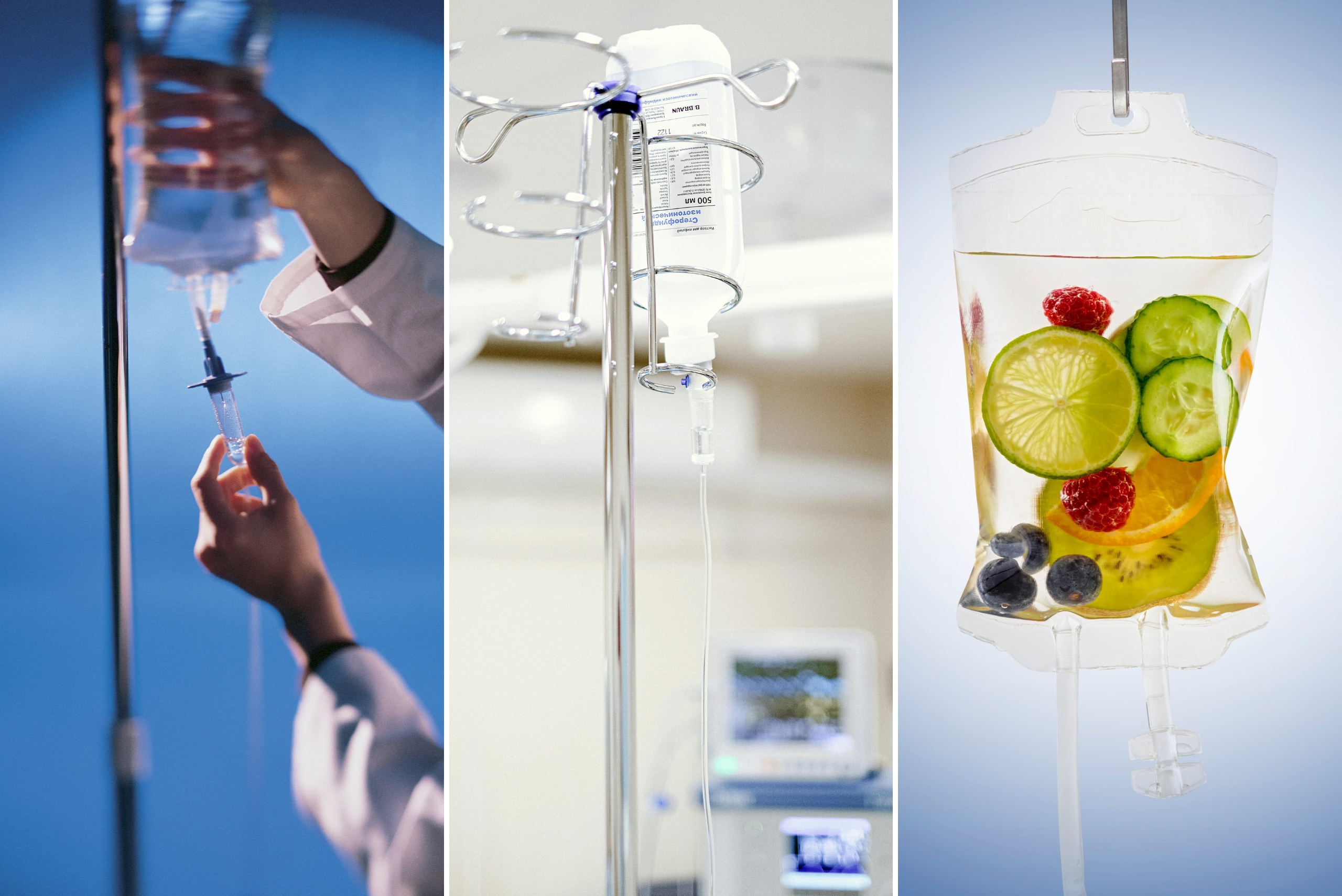
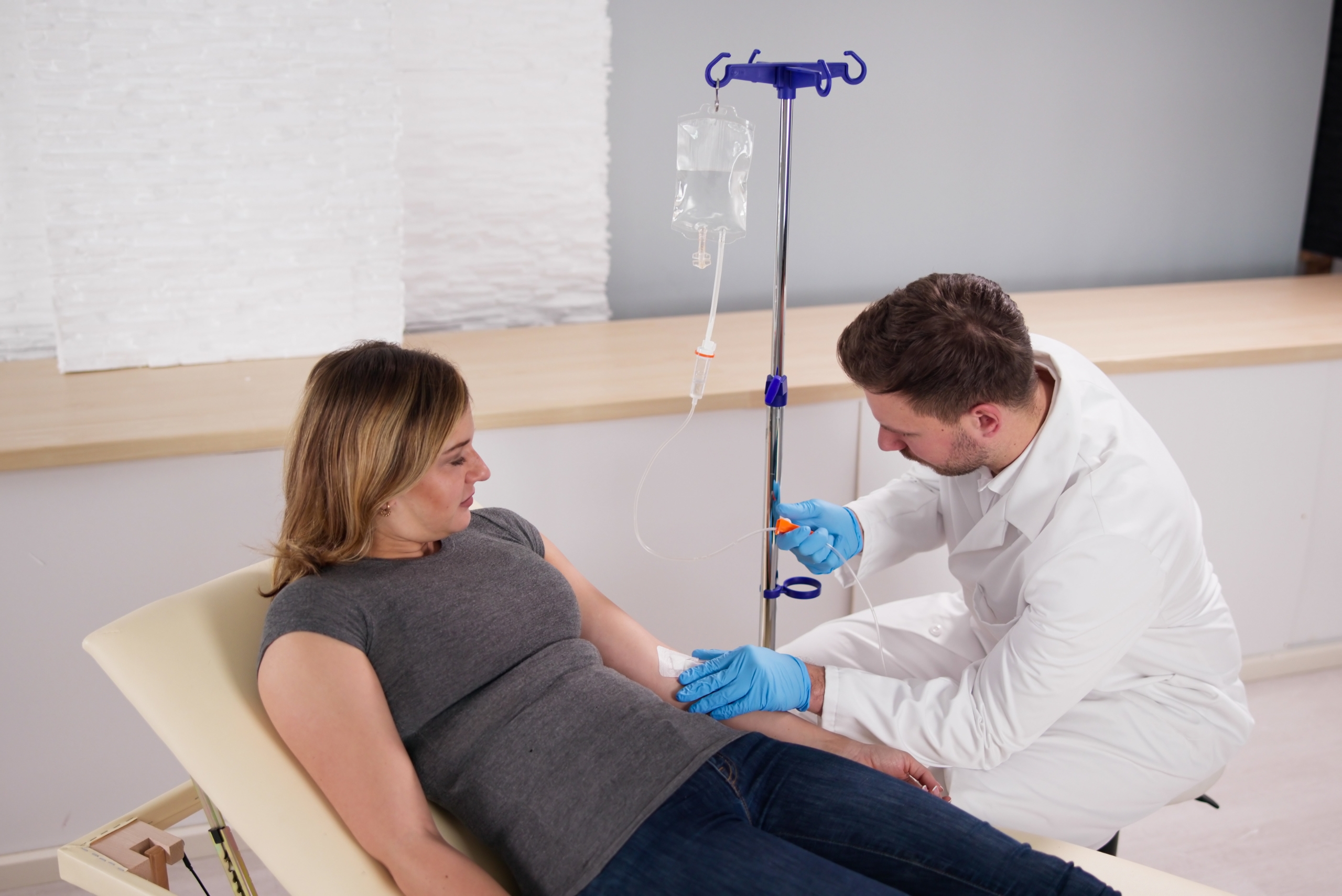
IV therapy works by delivering sterile fluid directly into a vein through a small catheter, allowing the body to receive fluid, electrolytes, vitamins, or prescribed medicine without relying on digestive absorption.

  • A medical professional first reviews your health needs, symptoms, medications, allergies, and suitability.
  • A sterile IV line is placed into a vein, usually in the arm or hand.
  • The IV solution flows slowly and directly into the bloodstream.
  • The body receives fluids and selected nutrients without digestive absorption.
  • During the session, the team monitors comfort, flow rate, and any unusual response for safety throughout.

how does iv therapy work

8 Common Types of IV Drip Therapy

IV drip therapies are often created for different purposes, such as hydration, recovery, nutrient replenishment, antioxidant support, or cellular wellness. These are some of the common types of IV drip therapy available at Verita Health Hoi An

1. NAD+ Infusion Therapy

NAD+ Infusion Therapy delivers nicotinamide adenine dinucleotide, a coenzyme involved in cellular energy production, metabolism, and normal cell function. It is different from standard hydration or vitamin drips because it focuses more on cellular wellness and healthy ageing support.

2. Myers’ Cocktail

Myers’ Cocktail is a classic IV drip formula that usually combines vitamins and minerals such as B vitamins, vitamin C, and calcium. It is different from single-nutrient IV drips because it offers broader nutrient support in one infusion.

3. Jetlag Relief

Jetlag Relief IV therapy focuses on supporting the body after long flights, disrupted sleep, dehydration, and time-zone changes. Jetlag IV Drip will support electrolyte balance, improved comfort, and better mental clarity after travel. 

4. Hangover Relief

Hangover Relief IV therapy focuses on rehydration and nutrient replenishment after alcohol-related fluid loss. Hangover IV Drip helps ease common hangover discomforts such as tiredness, headache, and dehydration-related symptoms, but it should not be seen as a cure or a way to reverse the effects of alcohol.

5. Mega Dose Vitamin C

Mega Dose Vitamin C provides a high concentration of vitamin C through an IV infusion. It is different from standard vitamin drips because it focuses specifically on higher-dose vitamin C support. Key benefits of Mega Dose Vitamin C include antioxidant support, normal immune function support, and general wellness support

6. Liver Detox

Liver Detox IV therapy provides hydration and selected nutrients that may support normal liver function and antioxidant balance. Rather than “flushing out toxins,” it is best understood as supportive wellness care, while the liver and kidneys continue to perform the body’s natural detoxification work.

7. Glutathione 

Glutathione is an antioxidant naturally produced by the body and made from three amino acids: glutamine, glycine, and cysteine. It plays an important role in protecting cells from oxidative stress, supporting normal immune function, and maintaining the body’s natural defence systems. When given intravenously, glutathione may provide targeted antioxidant support as part of a medically guided wellness plan.

8. ALA

Alpha-Lipoic Acid (ALA) is an antioxidant involved in cellular energy production and oxidative balance. ALA IV therapy may support natural antioxidant activity and help the body feel more balanced, especially when used as part of a medically guided wellness plan with proper screening.

common types of iv drip therapy

Potential Benefits of IV Therapy 

The potential benefits of intravenous fluid therapy depend on the individual's health condition, hydration level, and the components used in the infusion. After a suitable infusion session, some people may experience:

  • Faster fluid replacement: supports rehydration when oral fluids are not enough or the body needs more direct fluid support.
  • Electrolyte support: helps replenish minerals lost through heat, sweating, travel, vomiting, diarrhea, or alcohol-related dehydration.
  • General wellness support: provides selected fluids, vitamins, or antioxidants based on individual needs.
  • Increased energy: may help when low energy is linked to dehydration, nutrient depletion, or poor fluid intake.
  • Reduced fatigue: some people feel more refreshed after hydration and nutrient support, although results vary.

Who May Be Suitable to IV Therapy?

Intravenous fluid therapy may be suitable for people who need targeted fluid or nutrient supplementation including those who require IV drip therapy to enhance hydration and restore electrolyte balance. 

  • People with mild to moderate dehydration from heat, sweating, travel, vomiting, diarrhea, or low fluid intake.
  • Individuals who have difficulty drinking or absorbing fluids due to nausea, digestive discomfort, or specific health conditions.
  • Athletes or active individuals who may need fluid and electrolyte support after intense physical activity.
  • Frequent travelers or busy professionals experience fatigue linked to dehydration, jet lag, or poor fluid intake.

who may be suitable to iv therapy

Who Should Be Careful or Avoid IV Therapy? 

IV therapy is not suitable for everyone. Because it delivers fluid and ingredients directly into the bloodstream, some people need extra caution or medical approval before treatment. 

  • People with kidney disease may have difficulty clearing excess fluids, minerals, or certain nutrients.
  • Pregnant or breastfeeding women should only consider IV therapy with medical approval.
  • Individuals with allergies or previous reactions to IV ingredients need careful review before any infusion.
  • People with heart disease, high blood pressure, or fluid restrictions may be at risk if too much fluid is given.
  • Anyone with severe symptoms such as chest pain, fainting, confusion, or severe dehydration should seek urgent medical care.

How to Choose a Safe IV Therapy Centre in Vietnam

Because IV fluids enter the bloodstream directly, the provider should take time to understand your health background, explain the infusion clearly, and recommend treatment only when it is appropriate for your needs. Before booking, consider:

  • Licensed medical practice with qualified healthcare professionals.
  • Pre-treatment screening for allergies, medications, pregnancy, kidney disease, heart conditions, and fluid restrictions.
  • Asking for a clear explanation of ingredients, dosage, risks, and expected outcomes.
  • Transparent pricing and realistic claims without “cure,” “detox,” or guaranteed immunity promises.

Visitors to Hoi An can experience medically supervised intravenous fluid therapy at Verita Health Hoi An - A wellness center where each treatment session begins with a health check to ensure the treatment is appropriate, safe, and meets individual needs.

how to choose the right iv therapy centre in vietnam

What Happens During IV Drip Therapy at Verita Health Hoi An? 

Your IV drip session at Verita Health Hoi An follows a simple, medically guided process to help ensure comfort, safety, and appropriate treatment.

  • Consultation and assessment: Your health history, symptoms, allergies, medications, and wellness goals are reviewed by our medical team.
  • Personalized IV recommendation: The team recommends a suitable IV drip based on your needs and suitability.
  • Infusion preparation: Your IV solution is prepared using sterile equipment.
  • IV placement: A small catheter is inserted into a vein, usually in your arm or hand.
  • Infusion session: The IV drip is administered slowly while you relax.
  • Monitoring: Staff monitors your comfort, IV flow, and any possible reactions.
  • Aftercare guidance: You receive simple advice on rest, hydration, and what to expect after treatment.

If you are considering IV drip therapy while in Hoi An, Verita Health Hoi An offers a calm, medically guided environment where your session begins with an assessment and a suitable treatment recommendation. Book an appointment to understand which IV drip option may be right for your needs.

FAQs 

1. Is IV therapy safe?

Intravenous fluid administration is a safe therapy when performed by reputable healthcare centers. You can experience IV Drip Therapy at Verita Health Hoi An with leading medical experts for examination and diagnosis of a suitable treatment plan.

2. Does IV therapy hurt?

You may feel a brief pinch when the IV catheter is placed. During the infusion, most people feel comfortable, though mild pressure or coolness can occur.

3. How often should you get IV therapy?

Frequency depends on your health status, goals, and medical assessment. IV therapy should not be used too often without professional guidance or a clear clinical reason.

4. Is IV therapy better than drinking water?

Not always. Drinking water is enough for most daily hydration needs. IV therapy may be useful when oral fluids are not enough or faster fluid replacement is needed.

5. Is IV therapy available in Vietnam for travelers?

Yes, intravenous fluid therapy is available for travelers in Vietnam. Travelers exploring Central Vietnam may consider Verita Health Hoi An, an intravenous fluid center offering infusion sessions guided by Dr. Abdulla El Hossami and a team of experienced specialists.

Related posts

Top 7 Wellness Treatments for Travelers in Hoi An

by Verita author on 15.04.2026

Travel can place real strain on the body, especially in a warm and humid environment like Hoi An. As Hoi An is located in Central Vietnam, the area that has the most intense heat waves in Vietnam, travelling here can cause inconvenience to some travelers. These include: disrupted sleep, dehydration, muscle tension, and low energy, which are common issues many travelers experience.


At the right time, wellness treatments can do more than help you relax. They can support recovery, restore balance, and help you feel better both physically and mentally. In this guide, we share the top wellness treatments for travellers in Hoi An and how each one can support your wellbeing during your stay.

1. IV Drip Therapy

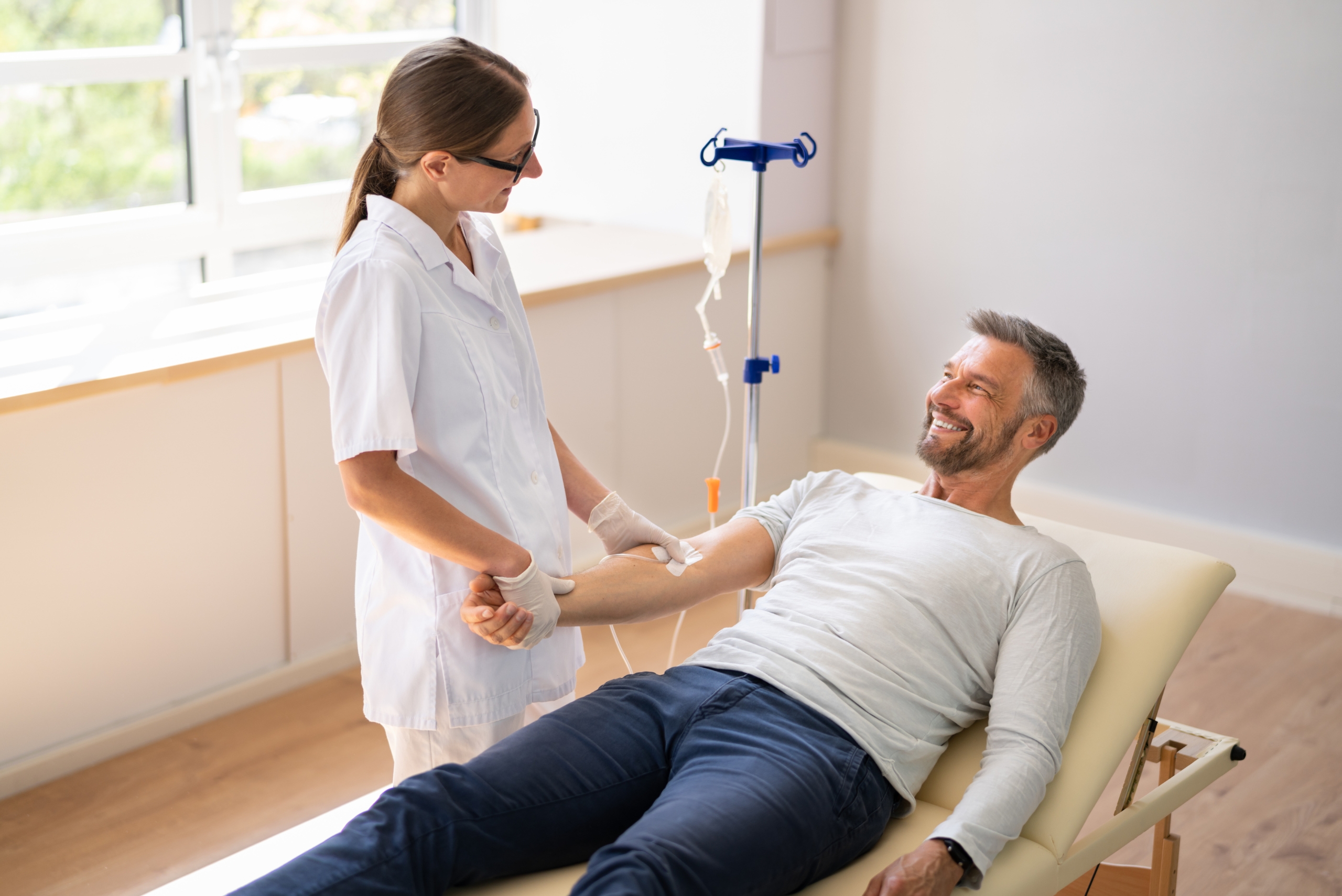
IV drip therapy delivers fluids, vitamins, and essential nutrients directly into the bloodstream, allowing faster absorption than oral supplements. It is widely used to support hydration, boost energy levels, and help travellers recover quickly during demanding travel schedules.

Key Benefits of IV Drip Therapy

  • Rapid hydration and electrolyte replenishment
  • Boosts energy and reduces fatigue
  • Helps recovery from jet lag
  • Improves overall physical performance

IV drip therapy is well suited for travelers dealing with dehydration, fatigue, or jet lag. Sessions typically last 45 - 60 minutes and are carried out under the supervision of experienced professionals for a safe and comfortable experience.

iv drip therapy

2. Hyperbaric Oxygen Therapy (HBOT)

Hyperbaric Oxygen Therapy (HBOT) involves breathing pure oxygen in a pressurised chamber, increasing oxygen levels in the body and supporting cellular repair, enhancing recovery.

Key Benefits of HBOT Therapy

  • Enhances cellular repair and regeneration.
  • Improves oxygen delivery to tissues, supporting overall organ function and vitality
  • Helps reduce physical fatigue, especially after long travel or activity
  • Supports brain function, and mental clarity through better oxygen circulation

HBOT is suitable for travelers seeking deeper recovery and improved energy levels, offers a non-invasive experience. While mild pressure sensations may occur, it remains comfortable and relaxing under professional supervision.

hbot therapy

3. Ice Bath (Cold Therapy)

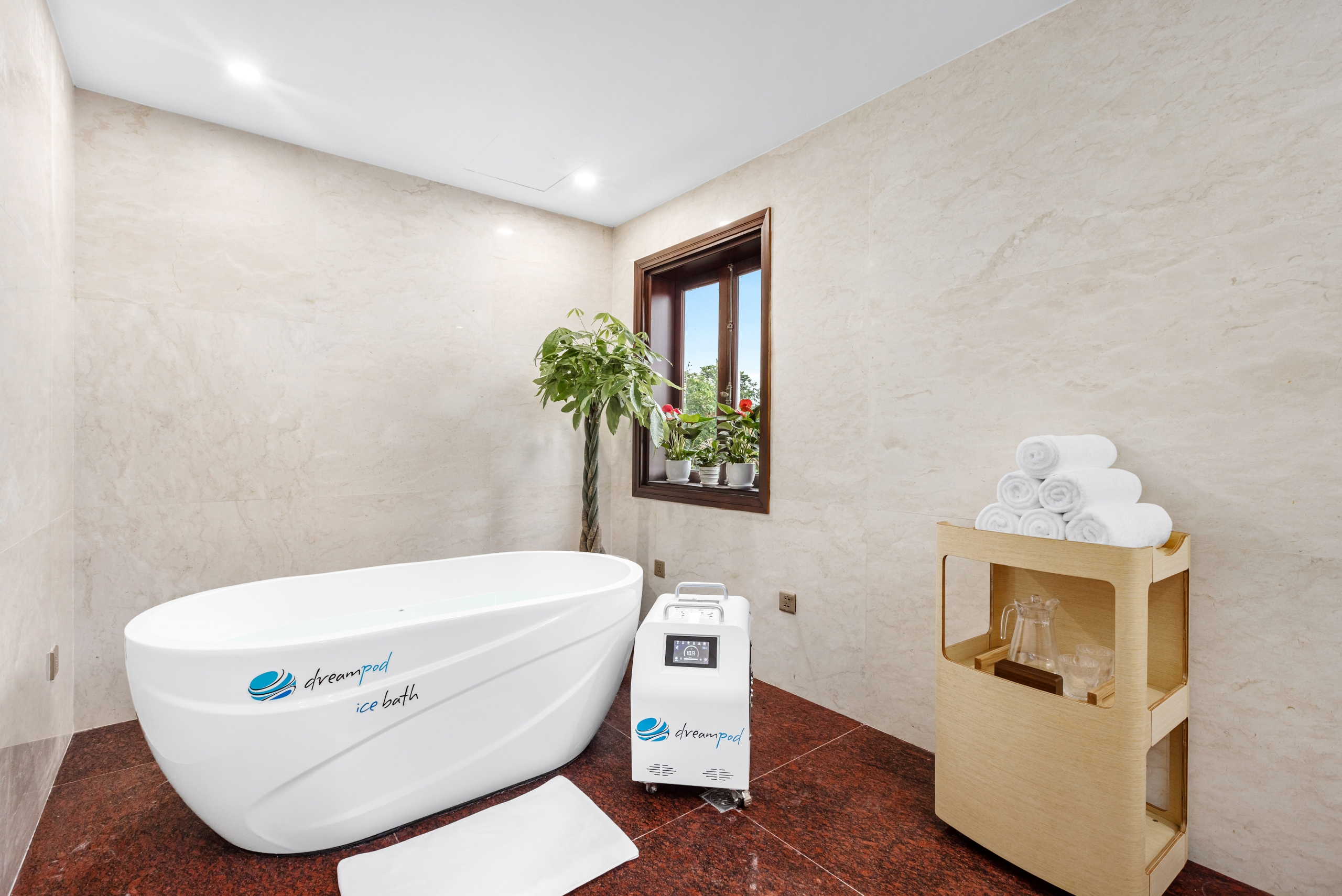
Ice bath therapy involves immersing the body in cold water for a short period to stimulate circulation and reduce inflammation. It is widely used for muscle recovery, resilience building, and enhancing overall physical and mental performance.

Key Benefits of Ice Bath Therapy

  • Reduces muscle soreness and inflammation
  • Improves circulation and recovery speed
  • Boosts mood and mental resilience
  • Enhances immune response

Ice bath is well adapted to travelers looking to boost recovery and build resilience, this therapy is especially beneficial after physical activity. It’s best approached gradually, allowing your body to adapt comfortably to the cold exposure.

ice bath at verita health hoi an

4. Infrared Sauna 

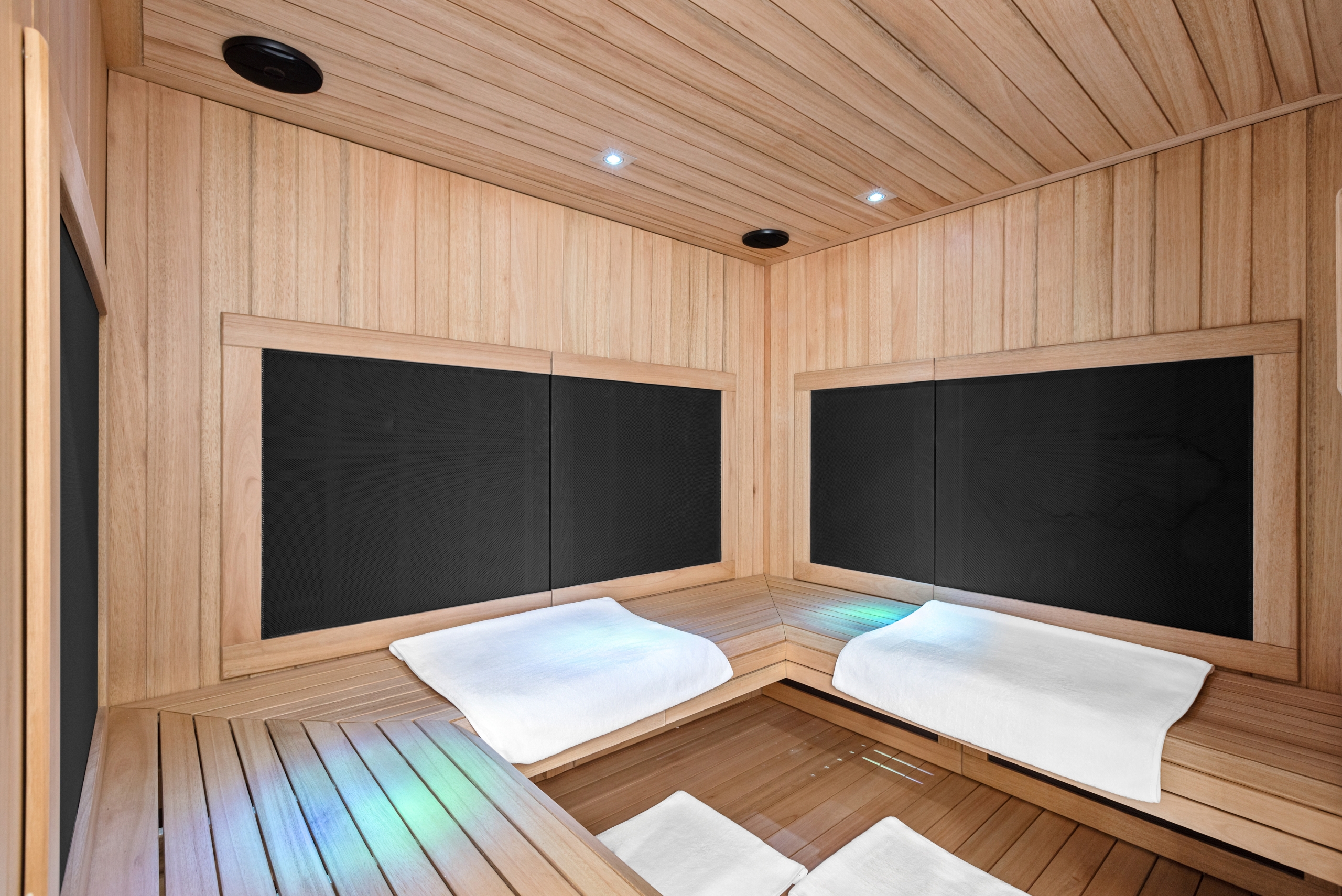
Infrared saunas use gentle heat to penetrate deeper into the body, promoting sweating and relaxation at lower temperatures than traditional saunas, offering a comfortable and effective way to support detoxification and overall wellness.

Key Benefits of Infrared Sauna Therapy

  • Promotes detox through sweating
  • Relieves muscle tension and stiffness
  • Improves circulation and skin health
  • Enhances overall recovery

infrared sauna

5. NuCalm Neuro-Relaxation

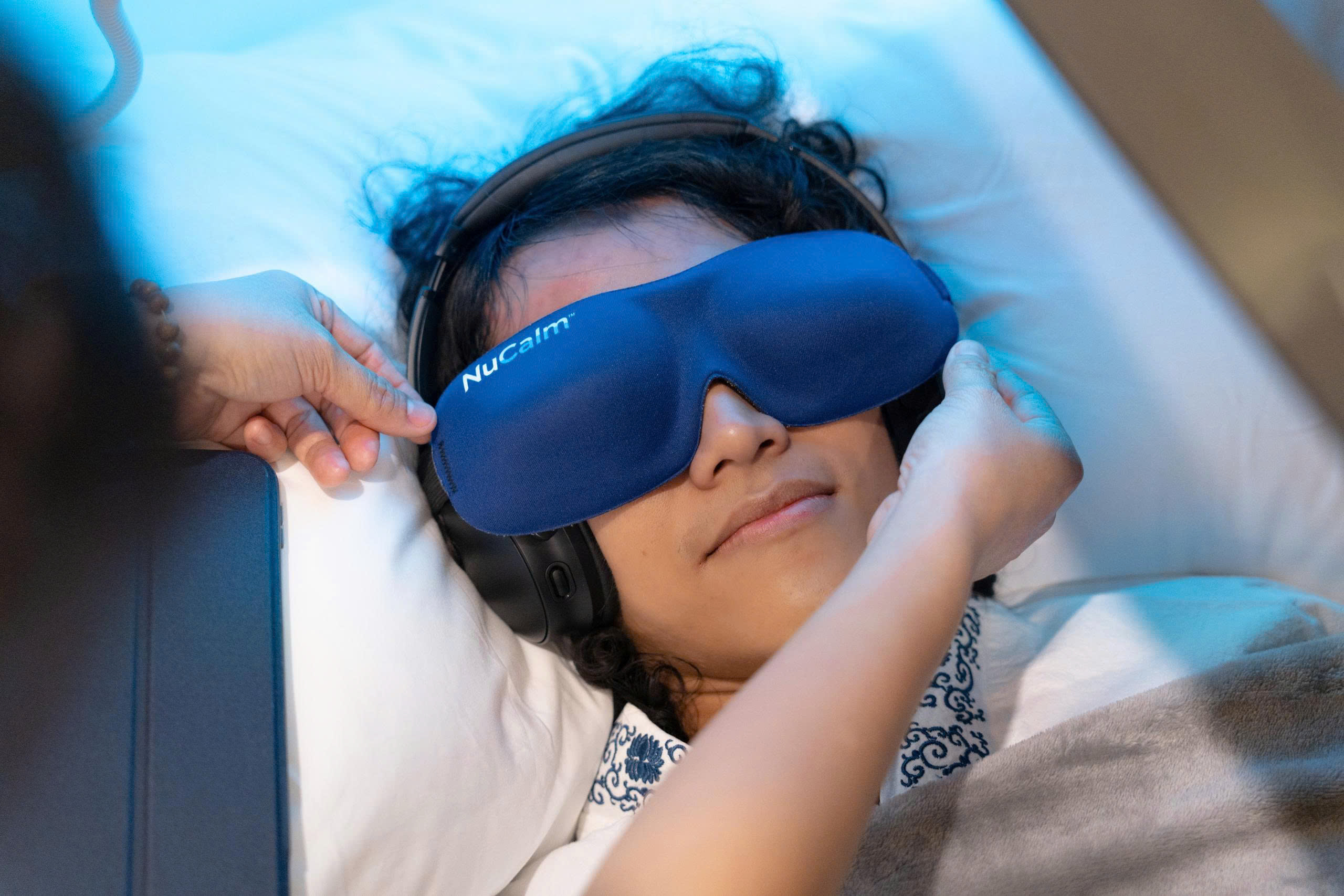
NuCalm is a neuroscience-based system designed to calm the nervous system without medication. It combines sound therapy and relaxation techniques to guide the body into a deeply restful, restorative state that supports recovery and mental balance.

Key Benefits of NuCalm Neuro Therapy

  • Reduces stress and anxiety, helping calm the nervous system
  • Improves sleep quality by supporting deeper, more restful cycles
  • Enhances focus and mental clarity for better daily performance
  • Supports nervous system recovery from fatigue and overstimulation

NuCalm Neuro is particularly helpful for travelers dealing with stress or disrupted sleep, this therapy provides a gentle, non-invasive way to reset the mind and body, making it easier to regain balance and feel refreshed.

6. Detox & Cleanse Programs

Detox and cleanse programs combine nutrition, hydration, and wellness therapies to support the body’s natural detoxification processes. These therapies aim to reset the system, improve internal balance, and enhance overall well-being during or after travel.

Key Benefits of Detox Therapy

  • Increases energy and reduces fatigue
  • Helps reduce bloating and discomfort
  • Enhances natural detoxification processes
  • Promotes overall body balance and wellness

Suitable for travelers seeking a reset, these programs should be personalised. Some individuals may experience mild fatigue or dietary adjustment effects, so professional guidance is recommended for best results.

detox wellness therapies

7. Epigenetic & Health 

Epigenetic and health testing analyses how lifestyle and environmental factors influence gene expression. It provides personalised insights into your health, helping guide targeted wellness strategies and long-term optimisation beyond general treatments.

Key Benefits of Epigenetic Testing Therapy

  • Understand how your genes interact with lifestyle or environment to influence health
  • Identify potential predispositions before symptoms appear for proactive prevention
  • Supports more targeted wellness planning and guides better lifestyle and habit decisions

Best for those interested in preventative care, this testing is non-invasive and safe. Results require expert interpretation, so it may take longer than other treatments.

epigenetic testing

How To Choose The Right Treatment

Choosing the right wellness treatment in Hoi An can be overwhelming. Here’s a quick guide to help you select the best option.

  • Ask for personalised recommendations based on your health goals
  • Check treatment duration to ensure it fits your travel itinerary without causing stress or disruption.
  • Identify your main goal: Are you seeking relaxation, recovery, or an energy boost? Clarifying your objective helps select the most effective therapy.
  • Look for professional, reputable centres in Hoi An, such as Verita Health Hoi An, to ensure safety, high-quality care, and a premium wellness experience.

Explore Modern Longevity Treatments at Verita Health Hoi An 

For travelers seeking an all-in-one wellness center in Hoi An, Verita Health Hoi An brings together the most advanced treatments from IV therapy and HBOT to regenerative and longevity-focused care, it stands out among Vietnam wellness retreats and contributes to the growing appeal of medical tourism in Vietnam.


Dr. Abdulla El Hossami – Leading Medical Expert at Verita Healthcare. Trained at globally renowned institutions such as Harvard University and Mayo Clinic, he specialises in biochemistry and oncology. With extensive experience across the Asia-Pacific region, his expertise focuses on cellular rejuvenation, immune optimisation, anti-aging strategies, and sustainable, preventive healthcare tailored to modern lifestyles.


Let’s schedule a consultation with our care team to receive a personalised treatment plan crafted just for you.

Related posts

TRAVEL & WELLNESS NEWS: NEW LONGEVITY CENTRE TO OPEN IN HOI AN, CENTRAL VIETNAM

by Verita author on 02.08.2025

HOI AN, VIETNAM – A new wellness centre with treatments to prolong youthfulness and slow ageing is scheduled to open in the tourist city of Hoi An in central Vietnam in Q1 2025.

Verita Healthcare Group, an integrated healthcare company headquartered in Singapore, and Wafaifo Optimisers, an Indochina-based hospitality consultancy, said that the new longevity centre in Wafaifo Resort Hoi An, which opened this month, will be the first of its kind in central Vietnam.

Related posts

Verita Health Hoi An-tripadvisor

by Verita author on 01.08.2025

At Verita, we believe in life without limits. Guided by science and driven by purpose, we deliver intelligent, integrative healthcare that empowers you to prevent disease, reverse biological aging, and unlock your full potential.

By listening deeply, analysing your unique biology, and applying the most advanced regenerative treatments, we help you live longer, stronger, and better — not just adding years to life, but life to years.

Related posts

Verita Healthcare Group opens Verita Health Hoi An

by Verita author on 01.08.2025

Verita Health Hoi An is a timely addition, given the rapid growth of the wellness economy throughout Asia thanks to consumers putting their health and mental wellbeing first in the post-pandemic era.

With this in mind, Vietnam, with its competitive healthcare pricing, improving infrastructure, and booming tourism industry, is now entering this lucrative space with serious momentum.

Related posts

Your Journey to Elevated Health!

by Verita author on 01.08.2025

The Medical Tourism Development Plan previously issued by Da Nang earlier this year, combined with the emerging opportunities following the merger with Quang Nam Province, creates an ideal synergy for the new Da Nang to position its brand in the field of wellness tourism.

Related posts

Verita Health Expands into Vietnam with Flagship Longevity Centre in Hoi An

by Verita author on 28.07.2025

Related posts